Branding: A Playful Slab Serif Font for Eye-Catching Designs
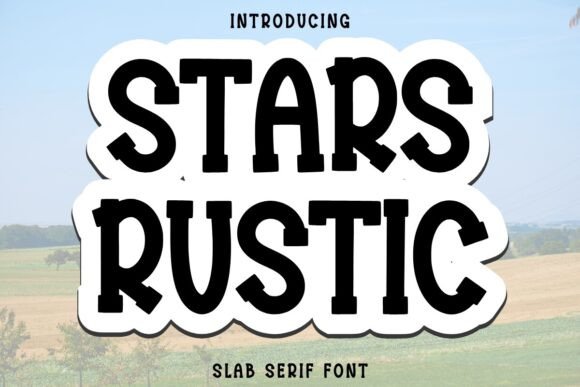
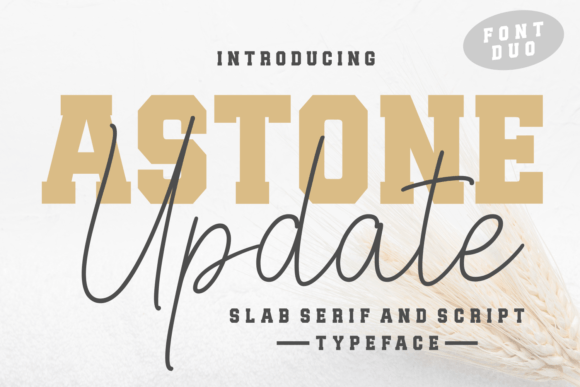
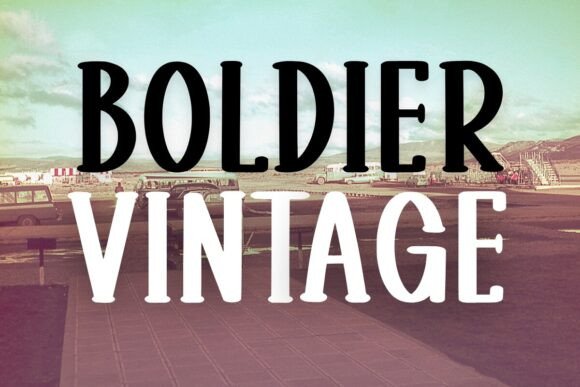
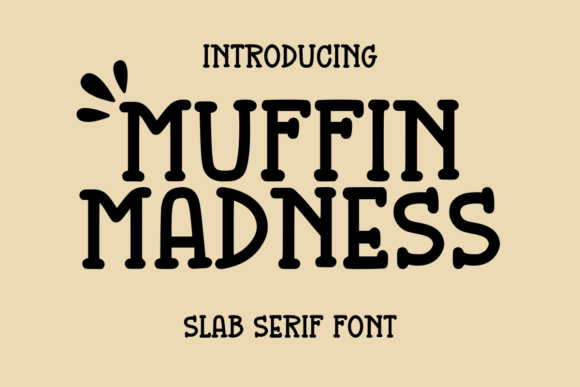
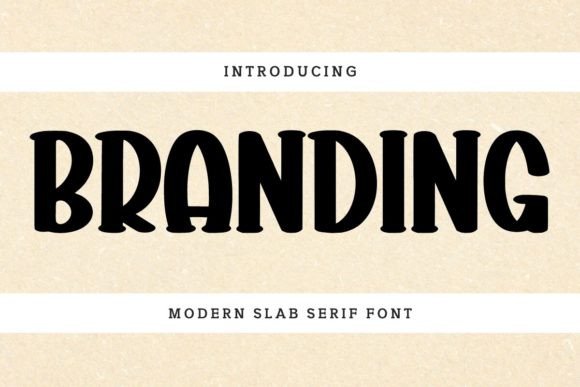
When it comes to visual communication, typography plays a crucial role in shaping perception and conveying personality. One font that stands out with its bold presence and distinctive style is Branding, a thick and playful slab serif typeface. Its wide characters and chunky serifs make it ideal for designs that need to grab attention quickly. Whether you're working on product labels, t-shirt graphics, or digital banners, Branding offers the right balance of strength and charm.
Understanding the Role of Typography in Branding
Typography isn't just about making text readable; it's an essential part of branding. Fonts help establish a brand’s identity by evoking specific emotions and associations. For example, a modern sans-serif might suggest innovation, while a cursive script could imply elegance. Branding, with its robust structure and friendly curves, brings a sense of approachability and reliability, perfect for brands looking to make a strong yet welcoming impression.
This font fits into the broader design process as a strategic choice rather than a decorative afterthought. When planning your project—whether it's launching a new product, designing a website, or creating promotional materials—it's important to consider how typography supports your overall message. Branding can be used early in the creative phase to define tone, during development to maintain consistency, and even later in revisions to enhance visual impact.
Use Cases for Branding in Real-World Projects
Branding is versatile enough to support various stages and purposes within a workflow. Here are some practical scenarios where it shines:
- Headlines and Titles: Use Branding for headlines to ensure they stand out without overwhelming the content. Its thickness adds weight, making it great for both print and digital formats.
- T-Shirt Typography: The playful nature of Branding makes it an excellent choice for casual apparel. It adds character to logos and slogans, helping them resonate with audiences at a glance.
- Banners and Posters: In event marketing or retail promotions, Branding’s boldness ensures visibility from a distance while maintaining readability up close.
- Product Labels and Packaging: Incorporate this font into packaging to create a memorable look. Its unique style helps products stand out on crowded shelves or online listings.
- Logos and Brand Assets: Pair Branding with minimalist design elements to craft a logo that feels both powerful and personable. This duality can be especially effective in industries like food, fashion, and lifestyle.
In each of these cases, Branding contributes not only to aesthetics but also to brand recognition. Consistency across all touchpoints—from social media posts to physical merchandise—builds familiarity and trust with your audience.
Integrating Branding into Your Design Workflow
Adding Branding to your design toolkit requires more than just downloading the font. To use it effectively, start by defining your project goals and understanding your target audience. Ask yourself whether a bold, attention-grabbing font aligns with your message and brand voice.
Once you've decided to use Branding, integrate it into your design software. Most modern tools like Adobe Photoshop, Illustrator, Canva, or Figma allow easy font installation and pairing. If you're working in web design, ensure the font is properly embedded using @font-face or linked via a font service like Google Fonts or Adobe Fonts.
Here’s a quick workflow example:
- Define the purpose of your design (e.g., a product label for a new line of organic snacks).
- Install the Branding font in your design tool and test it alongside other fonts for contrast and hierarchy.
- Create a mockup with Branding as the primary headline font, ensuring legibility at different sizes.
- Get feedback from stakeholders or a small audience sample to gauge effectiveness.
- Refine the layout based on input and finalize the design for production or publishing.
This structured approach ensures that Branding serves its purpose without becoming a distraction. Remember to keep the rest of the design elements simple so the font can shine.
Pairing Branding with Other Typefaces
While Branding is bold and expressive, it often works best when paired with complementary fonts. A common practice is to combine it with a clean, modern sans-serif for body text. This contrast allows the slab serif to draw attention while the supporting font maintains clarity and professionalism.
For instance, if you’re designing a poster with a tagline in Branding, follow it with a brief description in a lighter typeface such as Lato or Open Sans. This creates a balanced composition and prevents visual fatigue. Similarly, in web design, use Branding for headings and pair it with a neutral font for paragraphs to guide the user’s eye smoothly through the content.
Factors to Consider When Using Branding
To maximize the effectiveness of Branding in your projects, consider the following factors:
- Preparation: Before selecting Branding, assess your design needs. Is the goal to evoke nostalgia, confidence, or playfulness? Ensure the font matches the intended mood.
- Compatibility: Test Branding across different platforms and devices. While it looks great in high-resolution print, verify how it renders on mobile screens or low-quality prints.
- Usability: Avoid overusing the font. Limit it to key elements like headlines or logos to prevent clutter and maintain focus.
- Organization: Store the Branding font file in an organized folder along with your other design assets. Naming conventions and version control help streamline collaboration and revisions.
- Efficiency: Use font libraries or presets in your design software to speed up the implementation process. Saving custom styles (like size, color, and spacing) ensures consistency and saves time on future projects.
- Consistency: Apply Branding uniformly across all branding materials. This includes websites, social media, packaging, and promotional items to reinforce brand identity.
- Quality Control: Always proofread designs using Branding. Even minor alignment issues can affect how the font is perceived due to its bold structure.
- Long-Term Use: Evaluate if Branding will remain relevant as your brand evolves. Some fonts age poorly, so choose one that can adapt to long-term changes in your visual strategy.
By addressing these considerations upfront, you’ll avoid last-minute adjustments and ensure that your use of Branding remains impactful throughout the lifecycle of your project.
Practical Tips for Working with Branding
Here are a few actionable tips to get the most out of Branding:
- Limit the number of weights or styles you use. Too many variations can dilute the font’s effect and complicate your design system.
- Use leading (line spacing) generously to accommodate the font’s wide characters. This improves readability and gives your design room to breathe.
- Experiment with color combinations. Because of its boldness, Branding works well with muted backgrounds or vibrant accents to highlight key phrases.
- Consider accessibility. While visually striking, ensure that the font doesn’t compromise legibility for users with visual impairments. Adjust contrast and size accordingly.
One useful observation is that Branding performs exceptionally well in large-scale typographic applications. Its slab serifs and generous letterforms are designed to hold up in environments where visual clarity is critical. However, it may not be the best choice for dense blocks of text or fine detail work.
Enhancing Brand Identity Through Typography
Branding isn’t just another font; it’s a design decision that influences how people perceive your brand. When integrated thoughtfully, it can become a signature element that customers instantly recognize. Think of it as the face of your brand in written form.
Imagine a local bakery using Branding on their signage and packaging. The font’s warmth and boldness communicate a sense of quality and community. It tells a story before the customer even reads the words. That kind of emotional resonance is what makes thoughtful typography so valuable in branding efforts.
Another benefit is that Branding supports a range of creative expressions. You can stylize it with gradients, shadows, or textures to match seasonal campaigns or special events. These adaptations allow your brand to stay fresh and dynamic without losing its core identity.
Collaboration and Communication
Working with Branding often involves collaboration between designers, marketers, and business owners. Clear communication is vital to ensure everyone understands the font’s role in the project. When discussing design choices, emphasize how Branding enhances the message rather than overshadowing it.
If you're managing a team, set guidelines for when and how to use Branding. Include examples in your style guide to eliminate guesswork and maintain uniformity across all deliverables. This not only streamlines the design process but also reinforces your brand’s professional image.
Measuring Impact and Iterating
After implementing Branding in your designs, track how it affects your outcomes. Are people engaging more with your posters or product labels? Does the font improve the memorability of your brand? Collecting data through surveys, A/B testing, or analytics tools can provide insights into its effectiveness.
Don’t be afraid to iterate. If you notice that Branding isn’t performing as expected in a certain context, explore alternatives or adjust its usage. Maybe it works better in a smaller size or with a different color scheme. Flexibility is key to successful design integration.
Over time, as you refine your brand’s visual language, you may find that Branding continues to serve its purpose—or it may be time to evolve. Either way, having a clear rationale for your font choices makes it easier to justify decisions and adapt to changing needs.
Conclusion
Branding is more than a pretty font—it's a functional and expressive tool that can elevate your design work. By considering its role in your broader creative process, you can harness its strengths to build stronger connections with your audience. From initial concept to final execution, integrating Branding thoughtfully ensures that your message is both seen and remembered.
Whether you're a designer, marketer, entrepreneur, or hobbyist, take the time to evaluate how typography impacts your brand’s storytelling. With the right approach, Branding can become a cornerstone of your visual identity, enhancing every stage of your creative journey.