Clabs: A Bold and Vintage-Inspired Slab Serif Font for Modern Branding
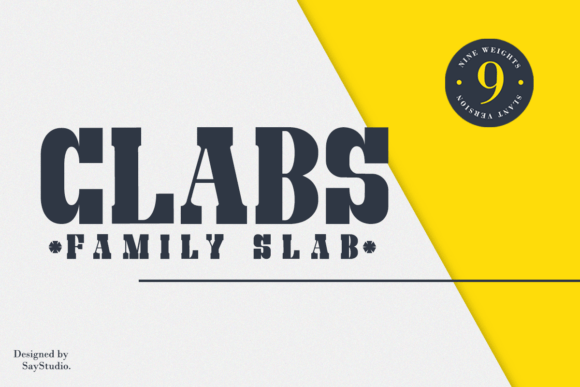
In the world of typography, choosing the right font can make a significant difference in how your brand or message is perceived. Clabs stands out as a versatile slab serif font family that blends modern functionality with a vintage aesthetic. Designed for professionals who need impact without sacrificing readability, it offers a unique balance between boldness and subtlety. With nine weights from Thin to Black and matching italics, Clabs provides a broad range of options for designers working on branding, editorial content, and more.
Key Characteristics That Define Clabs
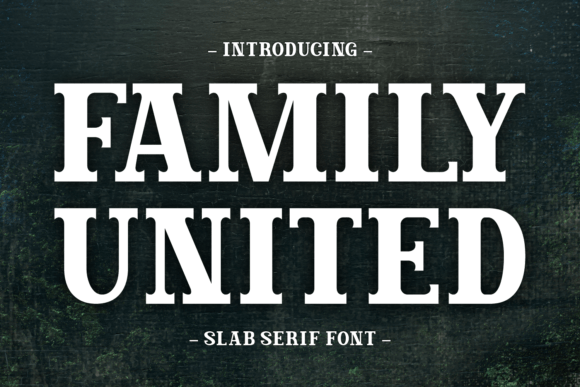
Slab serif fonts are known for their strong, block-like serifs and consistent stroke widths, and Clabs embodies these traits while adding its own distinctive flair. The font features low contrast strokes, which give it a rough, handcrafted look reminiscent of early 20th-century typefaces. This design choice makes Clabs particularly appealing for projects that aim to evoke nostalgia or a rugged, authentic feel.
Another defining feature is the combination of chunky characters and delicate, flowy italics. This duality allows for creative flexibility — you can use the bold weights for eye-catching headlines and the italics for subtle accents or body text. The short ascenders and descenders further enhance the vintage charm, making the font feel grounded and slightly irregular in a way that feels intentional rather than accidental.
Design Elements for Strong Visual Impact
- Low contrast strokes: These contribute to a more legible and approachable appearance, especially at smaller sizes or in print formats.
- Short ascenders and descenders: They lend a compact and traditional feel, ideal for logos and signage where space matters.
- Flowy italics: Unlike rigid obliques, the italics in Clabs have a natural, handwritten rhythm that adds character when used sparingly.
- Multiple weights: From Thin to Black, this range ensures adaptability across various design applications, including digital and print media.
Why Clabs Is Worth Considering for Your Projects
Typography isn’t just about aesthetics; it's also about usability and effectiveness. Clabs excels in environments where visual impact is crucial but readability must not be compromised. Its slab serif structure gives it authority and clarity, while the vintage elements inject personality into otherwise standard designs.
This font works particularly well in branding scenarios where you want to communicate strength, heritage, or authenticity. For example, a craft brewery might use the bolder weights of Clabs for logo design and the thinner variants for packaging copy. Similarly, lifestyle brands or fashion labels aiming for a retro-inspired identity can leverage the font’s rough, handmade feel to stand out in a crowded market.
Real-World Applications and Use Cases
Clabs has been successfully employed in a variety of professional settings. In magazine headers, it commands attention while maintaining enough refinement to suit editorial contexts. Newspaper titles benefit from its sturdy build and clean presentation, ensuring legibility even at reduced sizes. Clothing brands have adopted Clabs for storefront signs and product tags, where its bold presence enhances visibility and reinforces brand identity.
For web designers, the font performs well in both desktop and mobile environments, especially when used for headings or call-to-action buttons. The wide language support makes it suitable for international audiences, expanding its appeal beyond English-speaking markets.
Who Can Benefit Most from Clabs?
Clabs is best suited for professionals who value both form and function in their typographic choices. It caters to a diverse audience, including:
- Graphic designers looking for a font that balances boldness with elegance.
- Brand developers seeking to create a memorable and cohesive visual identity.
- Magazine and newspaper publishers needing impactful yet readable headline fonts.
- Entrepreneurs and small business owners wanting to establish a strong, vintage-style brand presence.
- Freelancers and creators who require a font adaptable to multiple project types and platforms.
Its broad weight range and stylistic consistency allow for seamless integration across different design layers, from main titles to supporting text. However, due to its lower contrast and vintage stylization, it may not be the best fit for minimalist or ultra-modern projects that rely on high-contrast sans-serif fonts for clarity and sophistication.
Practical Recommendations for Using Clabs
- Use bold weights for headlines and logos: The thick, slab-like serifs make them perfect for creating strong visual statements.
- Opt for lighter weights in body text: While still retaining a classic feel, the thinner variants offer better readability in longer passages.
- Pair it with a complementary sans-serif: To maintain balance in layouts, consider using a clean sans-serif for supporting text or subheadings.
- Test it across mediums: Whether printed on fabric or displayed on a screen, ensure that the font maintains its integrity and legibility.
Evaluating Clabs for Long-Term Value and Reliability
One of the key strengths of Clabs lies in its reliability and consistency. Each weight within the family shares a common structural foundation, allowing for smooth transitions between them. This makes it easier to maintain a unified design language across all touchpoints of a brand.
The font’s versatility is another asset. It doesn't limit itself to one niche, which means it can grow with your project over time. If you're launching a new clothing line today and planning to expand into print materials tomorrow, Clabs can serve both purposes effectively.
From a technical standpoint, Clabs supports a wide array of languages, making it a practical option for global campaigns or multilingual publications. This level of linguistic inclusivity is rare among vintage-style fonts and adds considerable value for designers targeting broader audiences.
Possible Limitations and Considerations
While Clabs is highly functional, there are a few considerations to keep in mind before adopting it as your primary font:
- It may not perform as well in ultra-fine print or very small body text due to its low contrast and slightly irregular shapes.
- Though visually rich, the font might clash with overly modern or geometric design systems if not paired thoughtfully.
- Some users might find the vintage aesthetic too heavy-handed for certain contemporary applications.
These limitations don't diminish its overall quality but do suggest that it should be used strategically based on the context and target audience. As with any font, understanding its character and applying it appropriately will yield the best results.
How Clabs Compares to Other Slab Serif Fonts
Slab serif fonts like Rockwell, Courier Prime, and Trade Gothic are staples in many design toolkits. Clabs holds its own by offering a more expressive and varied character set, especially in its italic forms. Compared to Courier Prime, which leans heavily into a monospace typewriter style, Clabs is more dynamic and less constrained in layout possibilities.
When compared to Rockwell, Clabs introduces a more nuanced texture through its low contrast and vintage styling. It’s not as rigid or mechanical, which can be an advantage for creative projects. Meanwhile, Trade Gothic is a great workhorse for high-contrast, clean designs, but Clabs provides a warmer, more humanized alternative without losing professionalism.
Ultimately, Clabs bridges the gap between traditional slab serifs and modern design needs, offering something fresh while staying true to the genre’s roots.
Case Studies and User Feedback
Several case studies highlight the successful implementation of Clabs in real-world branding efforts. One notable example is a boutique coffee shop that redesigned its logo using the Black weight of Clabs for maximum presence. The result was a logo that felt both authoritative and inviting, perfectly capturing the brand’s blend of tradition and innovation.
Another instance involved a fashion brand that integrated Clabs into their entire visual system, from storefront signage to social media banners. Designers praised the font for its ability to unify disparate design elements while maintaining a distinct voice.
User feedback often emphasizes the font’s ability to add character without overwhelming a design. Many appreciate the thoughtful inclusion of italics, which are rarely found in slab serif families but are invaluable for emphasizing key phrases or adding dynamism to static layouts.
Final Thoughts on Clabs for Branding and Creative Work
If you’re looking for a font that can deliver both visual impact and a sense of history, Clabs is a solid choice. Its thoughtful construction and extensive weight range make it adaptable to a wide range of applications, from high-end editorial work to casual retail branding. The inclusion of elegant italics sets it apart from many other slab serif fonts, offering additional stylistic depth.
However, it’s important to evaluate whether Clabs aligns with your specific design goals. While it shines in vintage, rustic, or bold contexts, it may not be the best match for every project. Careful pairing and thoughtful application are key to unlocking its full potential.
Whether you’re a seasoned designer or just starting out, Clabs presents a compelling option for those who want to infuse their work with character, clarity, and a touch of old-world charm.