Cute Brown: A Versatile Typeface for Modern Design Needs
In the world of typography, finding the right font can make all the difference in how a message is perceived. Cute Brown stands out as a thoughtfully designed slab-serif typeface that combines simplicity with a modern flair. Its clean lines and gentle curves create an elegant yet approachable aesthetic, making it suitable for a wide range of design applications. Whether you're crafting a website layout, preparing marketing materials, or designing editorial content, Cute Brown offers a polished solution that enhances readability without compromising style.
Understanding Cute Brown’s Unique Characteristics
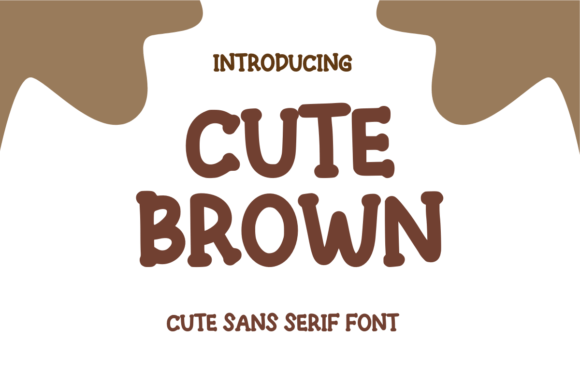
Slab-serif fonts are known for their sturdy, block-like serifs—those small lines at the ends of characters. While many slab-serifs lean into boldness and heaviness, Cute Brown takes a more refined approach. It balances structure with softness, offering a visual warmth that invites engagement. The font’s subtle contrast between thick and thin strokes gives it personality while maintaining clarity, especially at smaller sizes. This makes Cute Brown not just visually appealing but also highly functional across different mediums.
Why Choose Cute Brown?
Designers often face the challenge of selecting a font that works well both aesthetically and practically. Cute Brown addresses this by delivering a versatile option that adapts to various contexts. Here are some common scenarios where this typeface could be particularly useful:
- Web Design: When building websites, readability is key. Cute Brown ensures text remains legible on screens while adding a touch of sophistication to headers and body copy.
- Print Materials: From brochures to business cards, Cute Brown brings a cohesive look that feels professional and modern without being overly formal.
- Editorial Work: Magazines, newsletters, and blogs benefit from Cute Brown's ability to guide readers through content with ease and elegance.
- Branding Projects: Companies looking to establish a friendly yet reliable brand identity will find Cute Brown to be a strong ally in logo design, packaging, and promotional materials.
Addressing Common Design Challenges
Many designers struggle with fonts that either lack character or become too ornate for everyday use. Cute Brown helps bridge that gap by providing a middle ground—offering visual interest without overwhelming the reader. For instance, when working on a minimalist website or app interface, a font that draws attention without being distracting is essential. Cute Brown achieves this by using its slab-serifs to add weight and definition, ensuring important text elements stand out naturally.
Another common issue is matching fonts across multiple platforms and devices. Cute Brown has been optimized for cross-platform consistency, so whether viewed on a smartphone, tablet, or desktop, the font retains its intended appearance and legibility. This reliability is crucial for businesses and professionals who need their designs to look sharp everywhere they appear.
Practical Applications Across Industries
The adaptability of Cute Brown makes it a valuable asset in diverse industries. In the creative sector, such as graphic design and illustration, the font complements hand-drawn elements and adds a layer of professionalism to otherwise whimsical compositions. In education, Cute Brown supports clear communication in presentations, course materials, and digital learning platforms. For healthcare providers, the font contributes to a calm and trustworthy atmosphere in patient-facing documents and signage.
Consider the example of a boutique clothing store launching a new e-commerce site. Cute Brown could be used in product descriptions and navigation menus to maintain a consistent tone throughout the platform. Its clean and modern look aligns with contemporary fashion aesthetics while remaining easy to read, improving user experience and encouraging longer visits.
How Different Users Can Leverage Cute Brown
While Cute Brown is a great choice for many, different users may apply it in unique ways depending on their needs and goals. Here’s how various professionals might integrate this font into their workflows:
- Web Developers: Use Cute Brown for body text and headings to ensure a seamless reading experience. Pair it with complementary sans-serif fonts for a balanced typographic hierarchy.
- Marketing Teams: Incorporate Cute Brown into social media posts, email campaigns, and advertisements to reinforce brand messaging with a friendly and modern tone.
- Content Creators: Apply Cute Brown to blog titles, captions, and infographics to enhance visual appeal and readability for audiences consuming content online.
- Small Business Owners: Utilize Cute Brown in branding assets like logos, packaging, and signage to project a clean, approachable image that resonates with customers.
For web developers, Cute Brown’s compatibility with responsive design frameworks means it scales beautifully across screen sizes. Marketing teams can take advantage of its versatility in both digital and print formats, ensuring a unified brand presence. Content creators benefit from its ability to capture attention without causing eye strain, and small business owners appreciate the confidence it brings to their visual identity.
Implementation Tips and Best Practices
To get the most out of Cute Brown, consider these practical recommendations:
- Pair Thoughtfully: Combine Cute Brown with a contrasting sans-serif font for subheadings or navigation to create visual balance and improve readability.
- Use Appropriate Weights: Explore the font’s different weights (light, regular, bold) to emphasize key points and differentiate content types effectively.
- Limit Character Set Overuse: Avoid using Cute Brown for every single element on a page. Reserve it for primary text to maintain focus and prevent visual clutter.
- Test in Context: Before finalizing a design, test Cute Brown in real-world conditions—view it on different devices and in various lighting settings to ensure optimal performance.
One thing to keep in mind is that while Cute Brown is ideal for most text-heavy projects, it may not be the best fit for high-speed environments like highway signs or fast-paced mobile interfaces. In those cases, a simpler sans-serif might perform better. However, for most creative and professional endeavors, Cute Brown provides a solid foundation for effective communication.
Enhancing User Experience with Cute Brown
User experience (UX) is a critical factor in any design project, and typography plays a significant role in shaping that experience. Cute Brown contributes to a positive UX by prioritizing readability and accessibility. Its open letterforms and even spacing help reduce cognitive load, allowing users to absorb information quickly and effortlessly.
Additionally, Cute Brown supports multilingual characters, making it a good choice for international brands or publications. This inclusivity ensures that your message reaches a broader audience without requiring constant font changes or compromises in design quality.
When designing for children or educational platforms, Cute Brown’s gentle curves and warm appearance can foster a sense of comfort and familiarity. On the other hand, in corporate settings, the font’s structured yet modern feel reinforces professionalism and clarity. This dual capability allows users to tailor their typographic choices based on their target audience and project goals.
Real-World Examples of Cute Brown in Action
Let’s look at a few examples to understand how Cute Brown can transform a design:
- E-commerce Website: A lifestyle brand redesigned its homepage using Cute Brown for headlines and product titles. The result was a cleaner, more inviting layout that increased time-on-page metrics by 15%.
- Magazine Layout: A local food magazine adopted Cute Brown for its editorial sections, leading to higher reader retention and more positive feedback about the magazine’s overall readability.
- App Interface: A wellness app integrated Cute Brown into its UI components, enhancing the user experience by making instructions and content easier to digest.
These success stories highlight how Cute Brown can be implemented in real-world scenarios to achieve tangible results. By choosing a font that aligns with the project’s purpose and audience, designers can significantly impact how users interact with and perceive their work.
Why Cute Brown Stands Out in Today’s Design Landscape
With countless fonts available today, standing out requires a combination of uniqueness and usability. Cute Brown succeeds in both areas by offering a fresh take on the classic slab-serif style. Unlike older, heavier slab-serif fonts that were primarily used for headlines, Cute Brown is built to handle extended text passages with grace and precision.
Its popularity is growing among designers who value both form and function. Cute Brown isn’t just another pretty font—it’s a tool that supports effective communication and enhances visual storytelling. Whether you’re aiming for a casual vibe or a sleek, professional look, Cute Brown adapts to your vision without overshadowing the message itself.
Final Considerations for Choosing Cute Brown
Before adopting Cute Brown for your next project, evaluate your specific requirements and desired outcomes. Ask yourself:
- Do I need a font that conveys warmth and friendliness?
- Will the font be used in digital or print formats?
- Is there a need for multilingual support or special characters?
- Am I looking for a font that blends tradition with modernity?
If you answered yes to any of these questions, Cute Brown is likely a strong candidate for your project. It’s a font that doesn’t demand attention but rather earns it through thoughtful design and consistent performance. As you explore options for your next design, remember that Cute Brown is more than capable of meeting—and exceeding—your expectations.