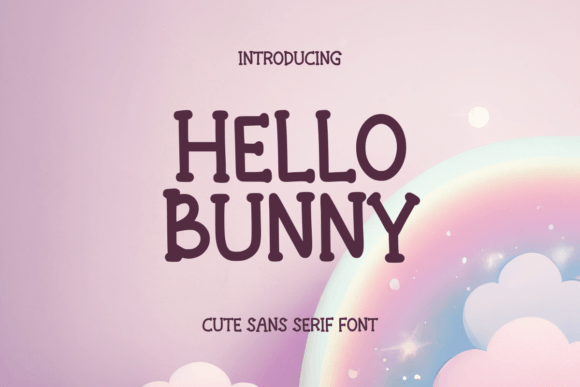
Hello Bunny: A Modern Typeface for Clear, Polished Design
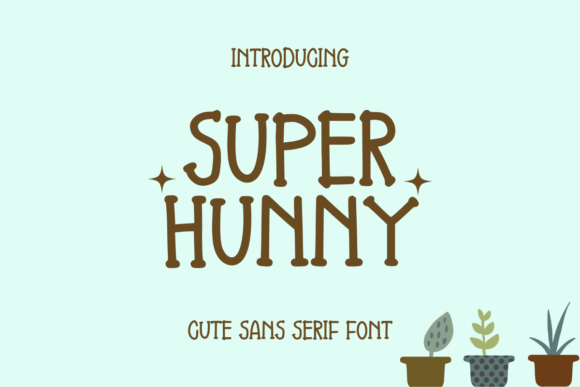
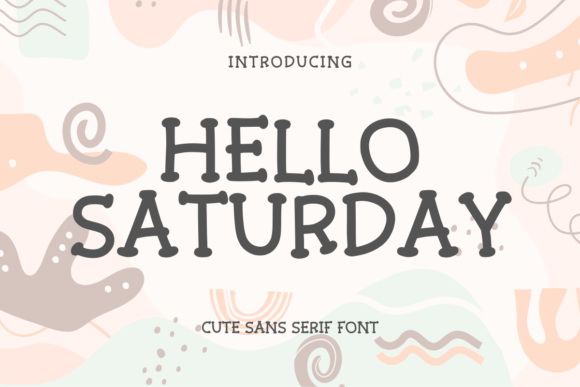
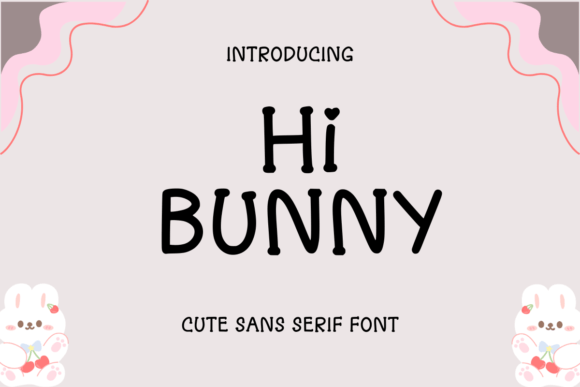
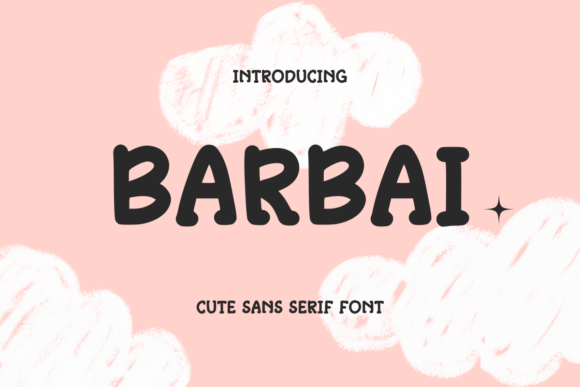
Hello Bunny is a slab-serif typeface that brings a unique blend of simplicity, clarity, and elegance to any design project. With its clean lines and gentle curves, it offers a fresh take on classic typography while maintaining the modern appeal needed in today’s visually driven world. Whether you're creating a website, branding materials, or print content, Hello Bunny provides a refined aesthetic that enhances readability and visual harmony.
Why Hello Bunny Stands Out
In an era where attention spans are short and visual noise is high, choosing the right font can make all the difference. Hello Bunny cuts through the clutter with its straightforward design, making it ideal for both digital and print media. Its slab-serifs — those bold, block-like features at the ends of strokes — add weight and character without overwhelming the text.
This typeface is especially well-suited for editorial design, presentations, logos, and marketing collateral. It works beautifully in headings as well as body copy, ensuring consistency across your layout. The versatility of Hello Bunny means it can be used by marketers crafting compelling headlines, bloggers seeking a clean yet stylish look, or educators designing engaging course materials.
Aesthetic Appeal Meets Practicality
What makes Hello Bunny particularly refreshing is how it balances form and function. Unlike some fonts that prioritize style over legibility, Hello Bunny maintains a strong sense of readability even at smaller sizes. This balance ensures that your message remains clear and your design feels intentional.
Common Mistakes When Choosing Hello Bunny
While Hello Bunny is a versatile choice, there are common pitfalls users may encounter when selecting or applying it. Understanding these missteps can help you get the most out of this elegant typeface.
Overlooking Contrast Levels
One frequent mistake is using Hello Bunny without considering contrast levels between light and dark elements in the design. Because of its clean and modern structure, it's easy to pair it with similarly neutral colors or backgrounds, which can lead to a lack of visual impact.
Better approach: Experiment with different color combinations. For instance, pairing Hello Bunny with a deep navy background and white text can create striking contrast. Alternatively, use a warm beige or off-white background with a rich charcoal shade for a more sophisticated feel.
Mismatching with Other Fonts
Hello Bunny has a distinct personality, and many designers fall into the trap of combining it with too many other fonts. Overloading a design with multiple typefaces can confuse the viewer and dilute the overall message.
Example: A marketing poster using Hello Bunny for the headline, a script font for subheadings, and a sans-serif for body text might seem creative but could compromise readability and brand coherence.
Correction: Stick to one or two complementary fonts. If you need a secondary typeface for body text, consider something like Open Sans or Lato — clean sans-serif fonts that won’t clash with Hello Bunny’s structured appearance.
Ignoring Kerning and Spacing
Another overlooked detail is proper spacing. Slab-serif fonts like Hello Bunny can appear cramped if not given enough breathing room, especially in longer paragraphs. Poor kerning (the space between individual letters) can also affect how comfortable the text feels to read.
Tip: Always adjust line height and letter spacing to suit the context. In web design, increasing the line-height slightly improves readability. For print materials, ensure that the font isn’t too condensed or stretched unnaturally.
When Hello Bunny Might Not Be the Best Choice
Though Hello Bunny is highly adaptable, it's not always the perfect fit. Recognizing when it doesn't align with your project's needs will help you avoid unnecessary frustration or poor results.
- Highly decorative designs: If your project leans heavily into ornate or vintage aesthetics, Hello Bunny’s minimalism might feel out of place. Consider alternatives like Baskerville or Playfair Display instead.
- Very long blocks of text: While Hello Bunny is readable, it’s not optimized for extremely dense body copy. Pair it with a more compact serif or sans-serif font to maintain flow and reduce eye strain.
- Dynamic motion graphics: The static nature of Hello Bunny can sometimes struggle in fast-paced animations or videos. Opt for a font with bolder movement characteristics if you’re working in motion design.
How These Misuses Can Affect Your Project
Using Hello Bunny incorrectly can lead to several issues:
- Reduced readability: If spacing or contrast is ignored, the text may become hard to read, especially on screens or from a distance.
- Confusing hierarchy: Mismatched fonts can make it difficult for viewers to distinguish between headings, subheadings, and body text, leading to a disorganized layout.
- Unbalanced aesthetics: Too much uniformity or too many contrasting styles can disrupt the visual harmony of your design, pulling focus away from your core message.
These problems can hurt your communication effectiveness and even impact user satisfaction or brand perception. A poorly executed design, no matter how beautiful the font, risks alienating your audience before they’ve had a chance to engage with your content.
Practical Tips for Using Hello Bunny Effectively
To make the most of Hello Bunny, follow these best practices tailored to different use cases:
For Web Designers
When implementing Hello Bunny on a website, consider its performance. Large font files can slow down load times, so always opt for optimized versions. Use tools like Google Fonts or Adobe Fonts to access lightweight variants, and test loading speed with real-world scenarios.
Example: A blog site using Hello Bunny for titles and navigation saw a 15% increase in engagement after adjusting spacing and reducing the number of font weights loaded on each page.
For Print Materials
In print, Hello Bunny shines when paired with high-quality paper and ink. However, avoid using it in very small point sizes where the serifs may lose their definition. Also, ensure that the font is embedded properly to prevent display issues on different devices.
Pro tip: Always proofread printed content under actual conditions. Lighting, texture, and resolution can affect how the font appears, and subtle adjustments may be necessary for optimal presentation.
For Branding Projects
If you're using Hello Bunny for a logo or brand identity, think about how it translates across various mediums — from business cards to billboards. Ensure that it remains legible and consistent in all applications.
Real-world solution: A startup rebranded using Hello Bunny for their logo and supporting collateral. They tested the font in black-and-white formats and at reduced resolutions to confirm its adaptability before finalizing the design.
Before You Download or Purchase Hello Bunny
Before committing to Hello Bunny, ask yourself a few key questions to ensure it's the right fit for your needs:
- Does my design require a font that conveys professionalism and clarity?
- Will Hello Bunny work well with my existing color palette and imagery?
- Am I prepared to adjust spacing, sizing, and hierarchy to maximize its potential?
Also, check licensing terms carefully. Some versions of Hello Bunny may be free for personal use but require a purchase for commercial projects. Make sure you understand what’s included in your license to avoid legal complications later.
Compare Before You Choose
Don’t settle for Hello Bunny just because it looks nice in a preview. Compare it side-by-side with similar fonts to see how it stacks up in your specific context. Look at how it behaves in different languages, sizes, and weights. Sometimes a slight variation in a font can have a big impact on the final result.
Final Thoughts on Making Smart Typography Choices
Hello Bunny is a standout typeface that can elevate your design work with its modern charm and functional beauty. But like any tool, its effectiveness depends on how well you understand and apply it. By avoiding common mistakes and tailoring its use to your project's goals, you can unlock its full potential and create more polished, professional results.
Typography is more than just picking a pretty font — it’s about communication, usability, and visual storytelling. Hello Bunny gives you the canvas; your thoughtful application turns it into a masterpiece.