Little Bone: A Modern Slab-Serif Typeface for Clarity and Elegance
When it comes to typography, the right font can make a world of difference. It can shape how your message is perceived, influence readability, and even reflect the tone of your brand or content. Little Bone is a typeface that stands out in this landscape with its clean design and refreshing aesthetic. As a tidy slab-serif font, it blends simplicity with modernity, making it a versatile choice for designers, business owners, and everyday users who want their text to look both polished and approachable.
What Is Little Bone?
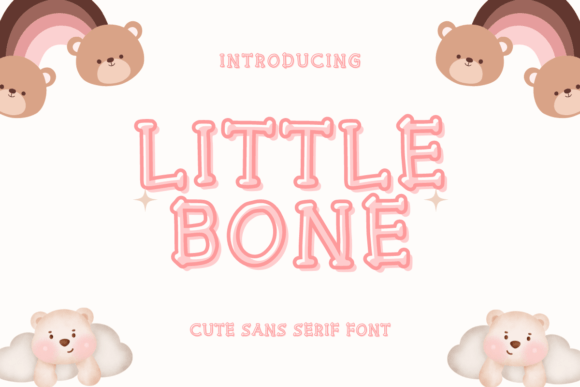
Little Bone is a contemporary slab-serif typeface known for its crisp lines and subtle curves. Unlike more traditional serif fonts, which often have intricate detailing, Little Bone takes a minimalist approach. Its slabs — the flat, block-like serifs at the ends of strokes — are refined rather than bulky, giving it a balanced and elegant appearance. This careful design makes it ideal for projects where clarity and visual appeal must coexist without overwhelming each other.
The Design Philosophy Behind Little Bone
The creators of Little Bone aimed to build a font that could bridge the gap between classic typographic styles and modern digital needs. The result is a typeface that feels familiar yet fresh. It’s not just about looking good; it's about performing well across different mediums and uses. Whether you're designing a website, preparing marketing materials, or crafting a simple document, Little Bone ensures your text remains legible and stylish.
Key Features and Characteristics of Little Bone
- Clean Lines: One of the standout features of Little Bone is its sharp, uncluttered strokes. These lines help maintain focus on the content itself rather than the font.
- Gentle Curves: While it’s a slab-serif typeface, Little Bone incorporates soft curves that add warmth and approachability to its otherwise structured form.
- Modern Aesthetic: With its simplified architecture and neutral weight distribution, Little Bone aligns well with current design trends that favor minimalism and clarity.
- High Readability: The spacing and character design work together to enhance readability, especially in body text formats used online and in print.
Why Choose a Slab-Serif Font Like Little Bone?
Slab-serif fonts have long been associated with authority and tradition, thanks to their use in newspapers and book covers. However, modern variations like Little Bone offer something new: a professional feel without the heaviness. They’re particularly effective when you need a font that commands attention but doesn’t distract from the message. This makes them a favorite among designers working on branding, editorial layouts, and web interfaces where a touch of sophistication is desired without compromising usability.
Where Can You Use Little Bone?
Little Bone’s versatility is one of its greatest strengths. Here are some common applications where this font shines:
- Web Design: Perfect for headings, subheadings, and body copy. Its clarity works well on screens of all sizes, from desktop monitors to mobile devices.
- Print Materials: Ideal for brochures, magazines, posters, and flyers. The slab-serifs give printed text a solid foundation, enhancing legibility and impact.
- Branding Projects: Businesses aiming for a modern yet trustworthy image will find Little Bone an excellent fit. It conveys professionalism while maintaining a friendly presence.
- Editorial Design: Used effectively in books, blogs, and newsletters, where consistent and readable typography is essential.
Real-World Examples of Little Bone in Action
Imagine you're launching a new blog focused on lifestyle and wellness. Choosing Little Bone as your headline font would immediately set a calm, organized tone. For body text, you might pair it with a sans-serif font to keep things balanced, but using Little Bone consistently for titles and pull quotes would reinforce the blog’s identity.
In another scenario, a boutique coffee shop might use Little Bone for their logo and menu design. The font’s gentle curves add a human touch, while the slab-serifs lend a sense of quality and consistency. It helps create a cohesive visual language that invites customers to stay longer and engage more deeply with the brand.
For professionals in fields like law, finance, or education, Little Bone offers a reliable option for presentations and reports. It looks authoritative without being overly formal, making it easier to connect with audiences while maintaining credibility.
Who Benefits Most from Using Little Bone?
Little Bone is suited for a wide range of users, including:
- Designers: Looking for a go-to font that complements both digital and print projects.
- Business Owners: Seeking a font that reflects professionalism and clarity in branding and communication.
- Content Creators: Needing a typeface that enhances readability and maintains a modern edge in articles, social media posts, or video overlays.
- Developers: Integrating typography into websites or apps and wanting a font that performs well across platforms and screen sizes.
Strengths and Practical Expectations
Little Bone brings several benefits to the table:
- Its balanced contrast ensures characters remain distinct and easy to read, even at smaller sizes.
- It supports a broad range of languages, making it accessible for international audiences.
- With multiple weights and styles available, it adapts easily to different design contexts, whether bold and striking or subtle and understated.
However, there are also practical expectations to consider. While Little Bone excels in most environments, it may not be the best choice for very small text or highly decorative settings. In such cases, pairing it with a complementary font or adjusting its styling can help optimize performance. Additionally, because it has a relatively neutral personality, it works best with designs that allow the content to take center stage.
Evaluating Little Bone for Your Needs
If you're considering Little Bone for your project, here are some questions to ask yourself:
- Do I need a font that reads clearly on both screens and paper?
- Is my brand or message aligned with a modern, clean aesthetic?
- Am I looking for something versatile enough to handle headlines, body text, and logos alike?
- Will the font complement the colors, imagery, and layout style of my project?
Answering these questions can help determine if Little Bone is the right choice. It’s always wise to test the font in real-world scenarios before finalizing your decision. Preview it in different sizes, on various backgrounds, and alongside your existing visuals to see how it behaves and integrates with your overall design.
Comparing Little Bone to Other Fonts
While many fonts offer similar traits, Little Bone distinguishes itself through its unique balance of structure and softness. Compared to heavier slab-serif options like Rockwell or Clarendon, it feels lighter and more adaptable. When stacked against modern sans-serif fonts like Helvetica or Lato, Little Bone adds a subtle layer of warmth and character, helping to differentiate your content visually without losing functionality.
How to Access and Use Little Bone
Little Bone is typically available through font libraries and marketplaces such as Adobe Fonts, Google Fonts, or via direct purchase from its foundry. Once acquired, it can be installed on your computer or integrated into web projects using CSS @font-face declarations. For designers using tools like Photoshop, Illustrator, or Figma, adding Little Bone is straightforward and opens up new creative possibilities.
When implementing Little Bone, consider the following tips:
- Use it in combination with other fonts to avoid monotony and enhance visual hierarchy.
- Limit the number of styles (bold, italic, etc.) to maintain consistency in your design.
- Adjust leading and tracking to ensure optimal readability, especially in large blocks of text.
Considerations and Limitations
Although Little Bone is a powerful tool in the designer’s arsenal, it’s important to understand its limitations. It may not be suitable for every design context, particularly those requiring extreme stylization or dramatic expression. Additionally, while it’s optimized for digital use, testing it across different devices and browsers is recommended to ensure cross-platform compatibility.
Another consideration is licensing. If you plan to use Little Bone in commercial projects, verify the license terms to ensure compliance. Some versions may require attribution or restrict usage in certain industries unless properly licensed.
Final Thoughts on Little Bone
In today’s fast-paced digital world, finding the right font can be challenging. Little Bone simplifies this process by offering a design that is both functional and fashionable. Its blend of clean lines and gentle curves ensures it remains relevant across industries and applications. Whether you're a seasoned designer or someone just starting to explore typography, Little Bone provides a reliable foundation for clear, elegant communication.
Ultimately, the success of any font lies in how well it serves the purpose behind the design. By choosing Little Bone, you're selecting a typeface that values clarity, adaptability, and modern aesthetics. It’s a font that doesn't demand attention but earns it through thoughtful execution and timeless appeal.