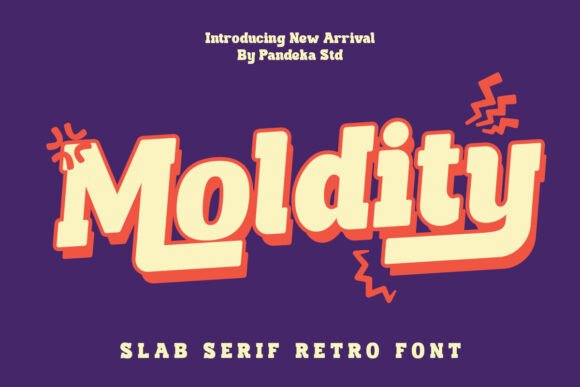
Meet Moldity – A Retro Slab Serif with Timeless Charm
Typography is a powerful tool that can transform the way we communicate. Whether it’s on a website, in a print design, or on branding materials, the right font can evoke emotion, establish tone, and even influence perception. Among the many styles of fonts available today, slab serif fonts hold a special place due to their bold, sturdy appearance and nostalgic charm. One such font that has recently gained attention is Moldity, a retro slab serif typeface that brings together the best of vintage aesthetics and modern usability.
What Is a Slab Serif Font?
To understand what makes Moldity unique, it's important to first grasp the concept behind slab serif fonts. These are a subset of serif fonts characterized by thick, block-like serifs — those small lines at the ends of characters. Unlike delicate traditional serifs found in fonts like Times New Roman, slab serifs have a more robust and solid look, making them stand out in both digital and print formats.
Slab serif fonts originated in the early 19th century and were commonly used in newspapers, advertisements, and posters. Their strong visual presence made them ideal for grabbing attention from a distance. Today, they’re popular in branding, packaging, and editorial design because of their versatility and timeless appeal.
The Rise of Retro Typography
Retro design trends have seen a resurgence in recent years, especially in the creative and marketing industries. This revival is driven by a desire to connect with the past through style and substance. Fonts like Moldity tap into this trend by offering a nostalgic feel while maintaining the clarity and functionality needed for contemporary use.
With its roots in classic typography, Moldity blends seamlessly into modern design landscapes. It’s not just about looking back; it’s about bringing the best elements of old-world design into today’s digital age.
Introducing Moldity: A Bold, Nostalgic Font
Moldity is a new addition to the world of retro-inspired fonts. Designed with precision and care, it captures the essence of vintage posters, old-school branding, and mid-century typography. The name itself suggests a sense of character — mold as in shaping something unique, and ity as a nod to its identity and purpose.
- Sturdy Design: Moldity features thick strokes and pronounced serifs that give it a strong, confident presence.
- Vintage Vibe: Its structure and proportions are reminiscent of classic typefaces from the early to mid-20th century.
- Modern Adaptability: Despite its retro roots, Moldity is optimized for digital use, ensuring legibility across screens and devices.
Why Choose Moldity?
If you're working on a project that needs a touch of nostalgia without compromising on readability, Moldity could be your perfect choice. Here’s why it stands out:
- Bold Visual Impact: The weight and structure of Moldity make it highly effective for headlines, logos, and titles where you want something to pop.
- Timeless Elegance: Its design feels both vintage and fresh, allowing it to fit into various contexts — from coffee shop branding to luxury packaging.
- Attention to Detail: Every curve and line in Moldity was crafted to reflect the artistry of retro typography, making it a favorite among designers who value aesthetics.
Where Can You Use Moldity?
Moldity is incredibly versatile and suitable for a wide range of applications. Let’s explore some of the most common uses and how this font enhances each one:
1. Branding and Logos
Branding is all about creating a lasting impression. With Moldity, you can craft a brand identity that feels both authentic and innovative. Its boldness helps create memorable logos, especially for businesses in the food, fashion, or lifestyle sectors that often draw inspiration from retro culture.
Example: A vintage-style record store might use Moldity in its logo to instantly convey a sense of history and passion for music.
2. Poster and Print Design
Posters are a fantastic medium for showcasing Moldity. Its retro aesthetic works well with hand-drawn illustrations, sepia tones, and distressed textures typical of vintage posters. The font’s clarity ensures that your message remains easy to read, even when stylized.
Example: A concert poster using Moldity for the event title would immediately catch the eye and evoke a sense of throwback charm.
3. Packaging and Labels
In product packaging, Moldity adds a tactile quality that can elevate the consumer experience. It’s particularly useful for artisanal or heritage brands aiming to highlight authenticity and craftsmanship.
Example: A handmade soap company might use Moldity on its labels to emphasize the natural and time-honored process behind its products.
4. Website Headers and Titles
While slab serif fonts aren’t always recommended for body text, they shine in headers and call-to-action sections. Moldity’s boldness and retro flair make it ideal for adding personality to websites, especially in industries like fashion, entertainment, and hospitality.
Example: A boutique hotel’s homepage using Moldity in the headline section could evoke warmth and a sense of timeless elegance.
How Does Moldity Fit Into Modern Creativity?
In an era dominated by sleek sans-serif fonts and minimalist design, there’s a growing appreciation for fonts that tell a story. Moldity represents that bridge between the past and present, allowing designers to infuse their work with character and depth.
Its retro style is not only visually appealing but also emotionally resonant. People are drawn to designs that feel authentic and meaningful. By using Moldity, you’re not just choosing a font — you’re choosing a design philosophy rooted in history and creativity.
Combining Old and New
One of the key strengths of Moldity is its ability to coexist with modern design elements. For example, pairing it with a clean sans-serif font for body text can create a balanced yet striking contrast. This approach allows you to maintain readability while still leveraging the emotional impact of a retro typeface.
Common Misconceptions About Retro Fonts
Despite their popularity, retro fonts like Moldity are sometimes misunderstood. Let’s clarify a few common misconceptions:
- They’re Only for Vintage Projects: While Moldity fits perfectly in retro-themed designs, it can also enhance modern projects by adding a unique stylistic element.
- They Lack Legibility: Many retro fonts suffer from poor readability, but Moldity was designed with legibility in mind, making it usable across multiple platforms and sizes.
- They’re Too Trendy: Although retro fonts are trendy, they often have a long-lasting appeal. Moldity combines classic form with contemporary function, ensuring it won’t quickly fall out of favor.
Designing with Moldity: Tips and Best Practices
To get the most out of Moldity, consider these tips:
- Use Sparingly: Due to its bold nature, Moldity is best suited for headlines, titles, and short phrases rather than large blocks of text.
- Pair Thoughtfully: Combine it with complementary fonts to create visual harmony. A lightweight sans-serif font works well for body copy.
- Experiment with Color and Texture: Moldity looks stunning in muted tones or with subtle effects like distressing, outlines, or shadows.
- Test Across Devices: Ensure the font remains clear and readable on different screen sizes and resolutions.
Real-World Inspiration
Looking for inspiration? Consider how other designers have used similar retro fonts in their work:
- Music Festivals: Many use bold slab serifs for main titles to create a vintage festival vibe.
- Craft Breweries: Retro fonts are common in beer label design, helping to communicate tradition and quality.
- Fashion Brands: Some high-end fashion labels incorporate slab serifs to add a sense of sophistication and heritage.
Why Moldity Matters in Today’s Design Landscape
In a world filled with fast-paced digital content, Moldity reminds us of the importance of design with soul. It’s more than just a font — it’s a design statement that connects users with a sense of history and artistry.
For businesses, Moldity offers a way to stand out in a crowded market by embracing a distinct visual identity. For creatives, it provides a tool to express nostalgia and elegance in their work. And for everyday users, it adds beauty and meaning to the designs they encounter daily.
A Font for Everyone
Whether you're a professional designer or someone just starting out, Moldity is accessible and user-friendly. Its intuitive character shapes and consistent spacing make it easy to work with, even for beginners. At the same time, its depth and versatility offer plenty for experienced designers to explore.
Final Thoughts
Moldity is more than just another font in the collection — it’s a symbol of the enduring power of typography. By drawing inspiration from the past and adapting it for the future, Moldity allows designers to create work that feels both familiar and fresh.
As we continue to embrace diverse design styles and values, fonts like Moldity will play an essential role in bridging eras and enriching our visual language. So next time you need a font that exudes confidence, charm, and character, consider giving Moldity a try. You might just find that it’s the perfect fit for your next project.
Explore the possibilities with Moldity and let your creativity take shape in ways that honor the past while inspiring the future.