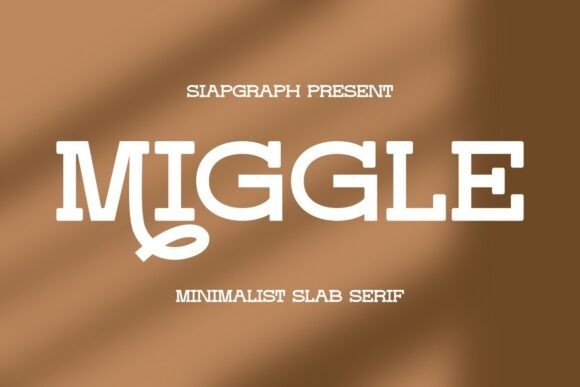
Miggle: A Minimalist Slab Serif Font for Holiday and Creative Projects
When it comes to choosing the right font for a design project, especially during the holiday season, finding one that balances elegance with modernity can be challenging. Miggle is a clean and minimalist slab serif font that offers a fresh take on festive typography. Inspired by the aesthetic of Christmas designs, it brings a refined yet contemporary feel to any creative endeavor. Whether you're crafting quotes, posters, or social media content, Miggle provides a versatile option that stands out without being overwhelming.
What Makes Miggle Unique?
Miggle combines the traditional charm of slab serifs with the simplicity of modern design principles. Its bold, geometric shapes lend it a strong visual presence, while its minimalistic approach ensures readability and adaptability across different mediums. Unlike many fonts that lean heavily into ornate details, Miggle maintains a subtle sophistication, making it ideal for both digital and print applications.
The font’s inspiration from Christmas themes doesn’t mean it’s limited to seasonal use. Instead, it incorporates elements like structured letterforms and balanced spacing that evoke a sense of warmth and festivity year-round. This makes Miggle suitable not only for holiday cards and gift tags but also for branding materials that aim to convey a cozy, stylish vibe.
Why People Might Be Interested in Miggle
Designers, marketers, and creatives often seek fonts that align with their brand identity or project goals. Miggle appeals to those who want a font that is both stylish and functional. It’s particularly attractive to individuals working in the following areas:
- Content Creation: From YouTube thumbnails to Instagram posts, Miggle helps create eye-catching visuals that are easy to read at a glance.
- Festive Branding: The font's warm and elegant tone works well for businesses looking to establish a holiday-friendly image without overdoing it.
- Merchandise Design: Its versatility allows it to be used effectively on t-shirts, mugs, tote bags, and stickers, where legibility and style matter equally.
- Graphic Design Projects: Whether designing invitations, labels, or posters, Miggle adds a polished touch that enhances the overall look without distracting from the message.
Its clean structure and lack of excessive ornamentation make it appealing to users who prioritize clarity and aesthetics in equal measure. For those who prefer a more understated approach to festive design, Miggle offers a compelling alternative to overly decorative typefaces.
Benefits of Using Miggle
One of the primary benefits of Miggle is its versatility. It adapts well to various sizes and backgrounds, ensuring your text remains legible and visually engaging regardless of context. Here are some key advantages:
- Modern Elegance: The font’s minimalist design gives it a sleek appearance that feels current and sophisticated.
- Strong Visual Impact: With its slab serif features, Miggle commands attention without requiring large size or high contrast.
- Easy Integration: Miggle pairs well with a range of design styles, from pastel tones to bold, monochrome layouts.
- High Readability: Despite its stylized appearance, the font maintains excellent legibility, which is essential for effective communication.
Additionally, Miggle is optimized for both digital screens and printed materials, ensuring consistency across platforms. This makes it a reliable choice for creators who need a font that looks great in multiple formats.
Considerations and Tradeoffs
While Miggle has many strengths, it may not be the best fit for every project. Understanding its limitations can help you decide if it aligns with your needs:
- Limited Character Sets: Depending on the version you choose, Miggle may not include extensive language support or special characters. Always check what options are available before committing to a specific use case.
- Not Ideal for Long Text: Although readable, its slab serif design is better suited for short phrases or headlines rather than lengthy paragraphs. Consider pairing it with a complementary sans-serif font for body text.
- May Not Suit All Themes: While inspired by Christmas, Miggle’s minimalist nature means it won’t work as well for projects requiring heavy ornamentation or vintage flair.
Another consideration is the font’s weight and contrast. If your design relies on very light or very dark text, ensure that Miggle performs well under those conditions. Testing it in real-world scenarios—such as on a white label or against a busy background—can help determine how well it fits your intended use.
When to Choose Miggle
Miggle shines brightest in situations where a blend of style and subtlety is desired. Here are some examples of when it might be a strong fit:
- Creating Trendy Quotes: Miggle’s modern aesthetic makes it perfect for holiday-themed quote graphics shared on social media.
- Designing Festive Posters: Use it to highlight key messages or titles in a poster design that needs to balance visual appeal with clarity.
- Printing Labels and Packaging: Its clean lines and bold form ensure that product names and descriptions remain prominent and professional.
- Enhancing Social Media Content: Miggle works well for thumbnails, headers, and captions where quick readability is crucial.
If your goal is to create something that feels festive but not garish, Miggle could be an excellent choice. It’s especially useful when you’re aiming for a minimalist holiday theme or want to maintain a cohesive brand style that includes seasonal elements.
When to Consider Alternatives
Despite its many qualities, there are instances where another font might be more appropriate. For example:
- Traditional Holiday Designs: If your project leans into classic Christmas motifs with lots of curls, flourishes, or hand-drawn elements, Miggle’s clean lines may not provide the right contrast or complement.
- Formal or Academic Contexts: While elegant, Miggle is not typically suited for formal documents or long-form writing due to its stylistic character.
- Projects Requiring Multilingual Support: If you need a font that supports a wide array of languages or scripts, explore alternatives that offer broader linguistic coverage.
In such cases, opting for a more conventional serif or a highly legible sans-serif font might serve your purpose better. It’s important to assess the font’s capabilities in relation to your specific requirements before finalizing your selection.
Practical Tips for Choosing Miggle
Here are a few practical insights to guide your decision-making process:
- Test Across Devices: Before using Miggle in a live project, preview it on different screens and resolutions to ensure it looks sharp and consistent.
- Pair Thoughtfully: Combine Miggle with simpler, neutral fonts to avoid visual clutter and maintain a harmonious layout.
- Use Sparingly for Best Effect: Reserve it for headings, titles, or short bursts of text to maximize its impact and preserve readability.
- Check Licensing: Make sure you understand the font’s usage rights, especially if you plan to use it for commercial purposes like selling merchandise or branded content.
By taking these steps, you can ensure that Miggle enhances your design rather than detracts from it. Remember that the best fonts are those that serve the message, not overshadow it.
Final Thoughts on Miggle
Overall, Miggle is a well-crafted font that bridges the gap between traditional and modern design. Its clean, minimalist approach, combined with the subtle influence of holiday aesthetics, makes it a valuable tool for designers seeking a fresh yet familiar typographic solution. When used appropriately, it can elevate everything from simple labels to complex branding projects.
However, its suitability depends on your specific needs. If you’re after a font that blends simplicity with festive charm and works across multiple platforms, Miggle is worth considering. But for projects demanding heavy ornamentation or multilingual flexibility, other options may prove more effective.
Ultimately, the decision to use Miggle should be based on your design goals, target audience, and the overall tone you wish to convey. By evaluating its features and limitations, you can determine whether it aligns with your creative vision and delivers the results you expect.