Resgerd: The Slab Serif Font That Adds Bold Impact to Your Designs
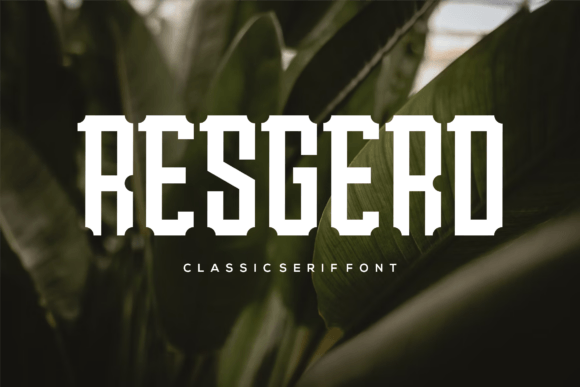
If you're looking for a font that commands attention without shouting, Resgerd might just be the one. This bold and assertive slab serif typeface brings a unique blend of strength and clarity to any project. Whether you're designing a website, creating marketing materials, or putting together a presentation, Resgerd can help you make your message stand out in a crowded digital world.
What Makes Resgerd Different?
Slab serif fonts are known for their sturdy, block-like serifs—those little lines at the ends of characters. But Resgerd takes this style and adds a modern edge. It's not just about looking good; it's about communicating with confidence. Its clean lines and high contrast between thick and thin strokes give it a distinctive personality that works well across different platforms and media types.
Unlike some fonts that feel outdated or overly formal, Resgerd balances professionalism with approachability. It’s versatile enough to fit into both traditional and contemporary designs, making it an excellent choice for a wide range of users.
Why Slab Serifs Still Matter Today
In the age of minimalist design trends, many people overlook the power of slab serif fonts. Yet they remain incredibly popular in branding, editorial design, and print media because of their legibility and strong visual presence. Resgerd fits right into this category, offering a fresh take on a classic style.
Real-World Uses for Resgerd
Fonts aren’t just about aesthetics—they’re about how your audience perceives your content. Here are a few realistic scenarios where Resgerd could work wonders:
- Brand Identity: Entrepreneurs often spend hours crafting a brand voice that feels authentic. A font like Resgerd can visually reinforce that identity. For example, a boutique coffee shop aiming to project a sense of grounded quality and craftsmanship might use Resgerd in its logo and packaging to create a memorable and trustworthy look.
- Website Headers: Bloggers and web developers know that headers need to grab attention quickly. Resgerd’s bold nature makes it perfect for headlines, especially when paired with a softer sans-serif body font. This combination helps guide readers’ eyes through the page while maintaining a professional tone.
- Printed Materials: From business cards to brochures, printed collateral still plays a key role in many industries. Resgerd offers a tactile, readable experience that works beautifully in print. Its weighty appearance gives physical documents a sense of authority and permanence.
- Editorial Design: Educators and publishers who create magazines, newsletters, or course materials can benefit from using Resgerd for titles and pull quotes. Its structure supports long-form reading while adding visual interest that keeps the reader engaged.
- Event Branding: When planning a conference, workshop, or product launch, consistency in branding is crucial. Resgerd can be used for event posters, signage, and invitations to convey energy and focus. Its readability ensures that important details won’t get lost in the design.
How Freelancers Can Use Resgerd Effectively
Freelancers working in graphic design, copywriting, or digital marketing have to juggle multiple projects with varying tones and audiences. Choosing the right font is part of that balancing act. Let’s say you’re designing a portfolio site for a new client. They want to appear both creative and dependable. Using Resgerd in headings can bridge that gap—it looks artistic but remains grounded, helping to build credibility.
Another common situation involves social media content. Marketers often struggle with how to make posts stand out in feeds filled with quick-scrolling text. By using Resgerd for captions or call-to-action buttons, you can add a layer of sophistication that catches the eye and encourages engagement.
When to Avoid Resgerd
While Resgerd is powerful, it’s not always the best choice. Consider these points before committing to it:
- Readability in Long Text: Because of its boldness, Resgerd may become fatiguing if used for extended blocks of text. Save it for headlines, logos, or short impactful statements.
- Design Context: If your overall design leans heavily toward minimalism or uses a lot of negative space, a bolder font like Resgerd could clash. Always consider how the font interacts with other elements on the page.
- Color and Background Contrast: Resgerd has a strong presence, so pairing it with dark colors or busy backgrounds might reduce its effectiveness. Test it out in different color schemes to find the best match for your project.
One practical tip is to use Resgerd as an accent font rather than a primary one. This way, you can maintain readability in most parts of your design while reserving its impact for key messages or brand elements.
Case Study: A Small Business Making a Big Impression
A local bookstore recently redesigned its website and storefront to better reflect its commitment to community and curated selections. The owner chose Resgerd for the store’s name and promotional banners. The result was immediate: customers felt the space was more inviting yet professional. The font helped differentiate the store from generic online retailers by giving it a distinct visual character.
Internally, the staff found that using the same font consistently across all communication—from email newsletters to in-store signage—made the brand feel more cohesive. Even the packaging for book bundles adopted the font, reinforcing the idea that every detail mattered in their customer experience.
Choosing the Right Weight and Style
Many slab serif fonts come in various weights and styles, and Resgerd is no exception. Before downloading or purchasing, check whether it includes options like light, regular, bold, or italic. These variations allow for greater flexibility in design and can help avoid overuse of the same weight throughout a project.
For instance, a lifestyle blogger might use the bold version for blog post titles and the lighter variant for subheadings or navigation menus. This creates a visual hierarchy that guides the reader naturally through the content. Similarly, a marketer might choose the italicized form for taglines or testimonials to add a touch of elegance without compromising clarity.
Pairing Resgerd with Other Fonts
Font pairing is a subtle art that can either enhance or ruin a design. With Resgerd, think about complementing it with a neutral, clean sans-serif like Lato or Open Sans. These pairings let Resgerd shine in headlines while keeping body text easy to read.
If you’re going for a more vintage or rustic vibe, try combining it with a cursive script font for names or quotes. Just ensure there’s enough contrast in size and weight so the two don’t compete for attention.
Accessibility and Practicality
Design isn't just about beauty—it's also about function. When using Resgerd, consider accessibility standards. Its bold characteristics can be a plus for screen readability, especially for users with visual impairments. However, if you're using it in smaller sizes, test it on different devices to confirm it remains legible.
Also, keep in mind that not all platforms support custom fonts equally. If you plan to embed Resgerd on a website, make sure it’s properly optimized for web use (e.g., WOFF or TTF formats). Hosting the font locally or via a reliable CDN can prevent loading issues and ensure a smooth user experience.
Testing Before Finalizing
Before finalizing a design, it’s wise to run a few tests. How does Resgerd look on mobile screens? Does it render clearly in different browsers? Are the colors and spacing still effective when printed? Taking the time to answer these questions can save you from last-minute redesigns and frustrations.
Where to Get Resgerd and What to Expect
Resgerd is typically available for purchase or download through font marketplaces like Adobe Fonts, Google Fonts, or independent designers' websites. Depending on the source, you might get access to additional features like variable weights or multilingual support.
Some users prefer buying a license for commercial use, especially if they're working on paid projects or selling products. Others opt for free versions, which may be limited in scope. Always review the licensing terms carefully to ensure compliance with your specific needs.
Getting Started with Resgerd
Once you’ve acquired Resgerd, integrating it into your workflow is straightforward. Most design tools like Photoshop, Illustrator, or Figma allow you to install and apply it easily. For web use, you’ll need to link to the font file in your CSS or use a font embedding service.
Start small—apply it to a single headline or title and see how it affects the overall design. Then gradually expand its use as you become more comfortable with its characteristics. This method helps you understand how to balance its boldness with subtler elements.
Final Thoughts on Realistic Applications
At the end of the day, the best fonts are those that serve the purpose of the design. Resgerd isn’t a magic bullet, but it’s certainly a tool worth having in your arsenal. Whether you're a small business owner trying to establish a brand, a designer working on a client’s website, or a hobbyist creating personal projects, Resgerd can help you achieve a polished, professional look.
Its bold, assertive style makes it ideal for situations where you want to communicate strength and clarity. But remember, thoughtful application matters more than the font itself. Take the time to understand how it behaves in different contexts, and you’ll unlock its full potential.