Typewritter: A Strategic Slab Serif Font for Festive and Everyday Design
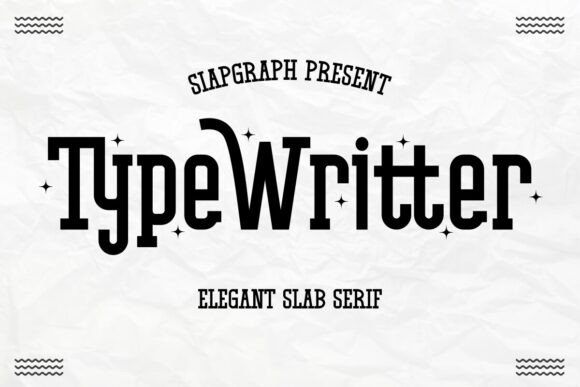
In the world of design, typography is more than just a stylistic choice—it’s a strategic decision that can influence perception, engagement, and brand identity. Typewritter, a modern and elegant slab serif font inspired by Christmas aesthetics, offers a unique opportunity to elevate both seasonal and year-round projects with its refined charm and versatility.
Elevating Branding and Communication with Typewritter
Slab serif fonts have long been associated with authority, tradition, and approachability. What sets Typewritter apart is its subtle holiday-inspired flair, which blends classic weight and structure with a contemporary feel. This makes it particularly valuable for professionals who want to communicate warmth, sophistication, and reliability in their visual content—whether they’re creating marketing materials, editorial layouts, or product designs.
For entrepreneurs and small business owners, especially those operating in niches like lifestyle, retail, or creative services, using Typewritter can help establish a strong emotional connection with audiences during the holidays. Its aesthetic aligns well with themes of nostalgia, celebration, and craftsmanship, making it an ideal choice for brands looking to stand out in a crowded market while staying true to their values.
Use Cases Where Typewritter Shines
- Christmas Cards: The font's elegance brings a sense of sincerity and joy to handwritten-style messages and greetings.
- Apparel Mockups: Whether on t-shirts, hoodies, or tote bags, Typewritter adds a timeless yet trendy touch that appeals to a broad audience.
- Labels and Packaging: For businesses selling festive products or limited-edition items, this font enhances readability and visual appeal without overpowering other design elements.
- Social Media Graphics: Marketers can leverage Typewritter to craft engaging holiday posts, quotes, or promotional banners that resonate emotionally and visually.
- Magazine Layouts: Educators, publishers, and bloggers will find this font useful for headlines, pull-quotes, or feature titles where clarity and style are both important.
Strategic Planning with Typewritter
Before integrating Typewritter into your workflow, consider how it fits within your broader design strategy. Ask yourself:
- What message am I trying to convey?
- Who is my target audience during this season?
- How does this font align with my brand’s tone and personality?
These questions help ensure that your use of Typewritter is intentional rather than arbitrary. For example, if you're launching a winter collection of home goods, using this font across packaging and social media graphics can create a cohesive visual language that reinforces your brand’s seasonal positioning.
Positioning Your Brand with Thoughtful Typography
Fonts act as silent brand ambassadors. Typewritter supports a brand’s positioning by offering a balance between professionalism and warmth. Unlike overly ornate scripts or rigid sans serifs, it has enough character to be memorable but remains legible and clean.
Freelancers and creators working on client projects might also benefit from using Typewritter when aiming to evoke a nostalgic or handcrafted vibe. It can be used effectively in logo mockups, print advertisements, or even website headers where a subtle holiday theme is desired without being overtly traditional.
Enhancing Creativity and Productivity Through Purposeful Design Choices
When you choose Typewritter for your design work, you’re not just selecting a typeface—you're setting the stage for creativity and productivity. The font’s consistent weight and spacing allow for easier composition, reducing the time spent adjusting kerning or tracking. This efficiency is especially beneficial for marketers and educators juggling multiple projects around the holidays.
Consider these practical tips when incorporating Typewritter into your creative process:
- Pair it with a lighter sans-serif for contrast in headings versus body text.
- Use bold weights sparingly to maintain hierarchy and focus.
- Test it across different mediums—print vs. digital—to ensure it reads well in all contexts.
- Limit color choices to complement the font’s vintage-meets-modern aesthetic.
Long-Term Value and Seasonal Flexibility
While Typewritter is clearly inspired by Christmas, its adaptability means it doesn’t need to be confined to the holiday season. Designers who plan ahead can repurpose it for New Year promotions, winter-themed campaigns, or even year-round branding with a soft seasonal twist. This dual-purpose nature makes it a smart investment for any creative toolkit.
For instance, a blogger might use Typewritter for a December newsletter theme, then transition to a lighter version for January resolutions content. The continuity helps build familiarity with readers while still feeling fresh and relevant.
Risks of Using Typewritter Without Clear Intent
Like any font, Typewritter can fall flat if used without consideration for context or purpose. Relying on it randomly, especially in non-holiday-related designs, could send mixed signals about your brand or project. Overuse may also dilute its impact, making it seem generic or overdone.
To avoid these pitfalls, always align the font with the emotional and functional goals of your project. Is the goal to evoke warmth and comfort? Does the font support that feeling without clashing with other design elements? If not, consider alternatives that better suit the occasion.
Intentional Application Tips
Here are some ways to apply Typewritter with intention:
- Use it for key phrases or taglines in posters and flyers to draw attention.
- Apply it in short bursts—such as labels or captions—rather than entire blocks of text.
- Ensure proper spacing and alignment so the font’s characteristics don't become distracting.
- Combine it with minimalist backgrounds to highlight its elegance.
Decision-Making Guidance for Designers and Marketers
Choosing the right font involves more than just personal preference. When evaluating whether Typewritter is suitable for your next project, ask:
- Does it reflect the mood we want to set?
- Will it enhance the overall user experience or detract from it?
- Is it versatile enough to be reused in various formats or sizes?
Marketers, in particular, should think about how Typewritter can serve as a unifying element across multiple touchpoints. From email subject lines to Instagram carousels, a consistent typographic voice can reinforce messaging and improve recognition rates.
Learning from Realistic Use Cases
Let’s explore a few realistic scenarios where Typewritter delivers real value:
- A Retail Store Launching Holiday Promotions: By using Typewritter on signage and online ads, the store creates a warm, inviting atmosphere that encourages customer engagement and trust.
- An Independent Publisher Creating a Winter Issue: The font adds a curated, artisanal feel to article titles and sidebars, enhancing the perceived quality of the publication.
- A Freelance Graphic Designer Crafting a Client’s Brand Identity: Incorporating Typewritter allows the designer to meet a request for “festive” visuals without leaning too heavily on clichés.
Each of these cases demonstrates how thoughtful font selection can lead to better outcomes—not just in aesthetics, but in how people perceive and interact with the content.
Operational Integration and Customer Experience
From an operational standpoint, Typewritter is designed to work seamlessly across platforms and file types. Its compatibility with major graphic design software ensures that it can be easily implemented into workflows without technical hiccups. For teams managing large-scale campaigns, this reliability is crucial.
On the customer experience front, the font’s readability is a significant asset. Even in smaller sizes or less-than-ideal lighting conditions (like mobile screens), Typewritter maintains legibility. That means your message stays clear and accessible, which is essential for effective communication and conversion.
Planning Ahead with Typewritter
One of the most strategic uses of Typewritter is in planning seasonal content calendars. Marketers and educators can pre-select the font for upcoming holiday-related assets, ensuring consistency and saving time later. This proactive approach allows for smoother execution and better alignment with annual marketing strategies.
Additionally, because Typewritter isn’t overly seasonal in appearance, it can be subtly integrated into everyday branding to maintain a festive or welcoming tone beyond the holiday period. This is particularly useful for businesses that operate in industries with recurring events or traditions, such as gift shops, bakeries, or wellness programs.
Conclusion
Typewritter is more than a pretty font—it’s a tool that supports strategic decisions in design and branding. When used thoughtfully, it can enhance the emotional resonance of your content, streamline your creative process, and contribute to a more professional and polished look across multiple platforms.
By understanding the goals behind your design choices and aligning them with the strengths of Typewritter, you position yourself to deliver content that not only looks great but also performs well. In a competitive landscape, every detail matters—and choosing the right font is one of the most impactful details you can make.