Cottage Vintage: A Timeless Font for Rustic and Nostalgic Design Projects
In the world of design, finding the right font can make all the difference in how a project is perceived. Cottage Vintage stands out as a classic vintage slab serif typeface that brings a sense of nostalgia, warmth, and authenticity to any creative endeavor. Its sturdy and timeless letterforms evoke the charm of simpler times, making it an excellent choice for those looking to infuse their work with a rustic or enduring aesthetic.
What Is Cottage Vintage?
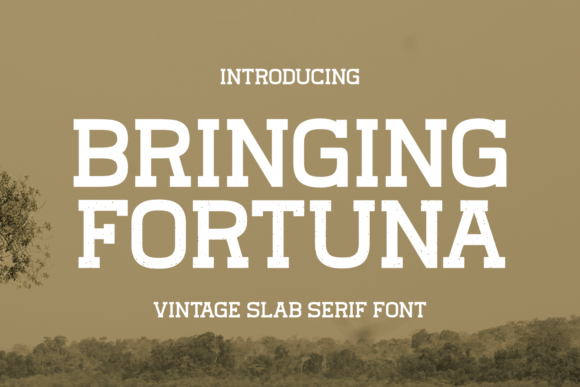
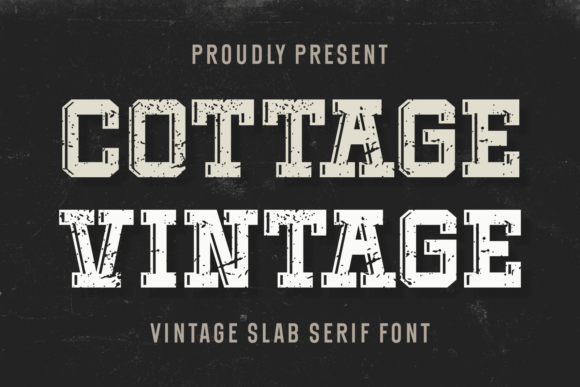
Cottage Vintage is a carefully crafted slab serif font inspired by the typographic styles of the early 20th century. Slab serifs are known for their block-like, thick strokes and minimal contrast between thick and thin parts of the letters. These characteristics give the font a bold yet elegant presence, perfect for designs that need to stand out while maintaining a vintage appeal.
Unlike modern sans-serif fonts that prioritize minimalism and clarity at the expense of character, Cottage Vintage preserves the handcrafted feel of traditional typography. It’s designed to look like it belongs on a weathered signboard, a hand-painted menu board, or even a family recipe book passed down through generations.
When to Use Cottage Vintage
Designers often face the challenge of choosing a font that aligns with the tone and purpose of their project. Whether you're working on branding for a new café, designing packaging for artisanal products, or creating event invitations with a nostalgic flair, Cottage Vintage can help you achieve a cohesive and authentic visual identity.
- Branding and Logos: For businesses rooted in tradition or those aiming to create a warm, inviting brand image, Cottage Vintage offers a distinctive edge. Think of farm-to-table restaurants, craft breweries, or boutique hotels—this font complements their story beautifully.
- Signage and Wayfinding: The boldness and readability of Cottage Vintage make it ideal for signs, especially in rural or heritage-themed locations. It commands attention without feeling overwhelming.
- Invitations and Event Design: From rustic wedding invitations to vintage-themed birthday cards, Cottage Vintage adds a layer of sophistication and charm that guests will appreciate.
- Print and Packaging Design: This font works well on labels, posters, and product boxes where a retro vibe enhances the overall appeal. Its texture and weight lend themselves naturally to print media.
How Cottage Vintage Addresses Common Design Needs
Many designers struggle with balancing style and functionality. While a sleek, modern font may suit digital interfaces, it often falls short when it comes to storytelling or emotional resonance. Cottage Vintage bridges this gap by offering a font that is both visually appealing and highly readable in the right context.
Its slab serif structure provides strong visual hierarchy, which is essential for guiding the viewer's eye across a layout. Additionally, the font’s organic appearance helps communicate a sense of history and craftsmanship—qualities that resonate with today’s audiences who value authenticity and uniqueness.
Use Case Examples
Here are some practical scenarios where Cottage Vintage could elevate your design:
- A Farmhouse B&B Logo: A boutique bed and breakfast nestled in the countryside might use Cottage Vintage in its logo to reflect the homey, welcoming atmosphere it offers. The font conveys simplicity and charm, reinforcing the brand’s connection to nature and tradition.
- Wooden Sign for a Local Bakery: When paired with natural textures like wood grain or parchment paper, Cottage Vintage becomes a key element in the design of a bakery’s signage. It evokes a sense of nostalgia and quality that invites customers to step inside.
- Handmade Soap Branding: Artisan soap makers often rely on Cottage Vintage for their product labels. The font complements hand-drawn illustrations and muted color palettes, enhancing the perception of care and craftsmanship behind each item.
Practical Applications and Outcomes
Integrating Cottage Vintage into your design workflow doesn’t just add a retro touch—it also communicates values such as heritage, authenticity, and timelessness. Here’s how different users might approach using it:
- Graphic Designers: You might pair Cottage Vintage with softer, script-style fonts for contrast in headlines and subheadings. For body text, consider using it sparingly due to its heavier weight, which can affect legibility in long paragraphs.
- Web Developers: If you’re building a website with a vintage theme, Cottage Vintage can be used in navigation menus, hero sections, or call-to-action buttons. Ensure that it’s optimized for web use (WOFF or WOFF2 format) and test its performance across devices for consistency.
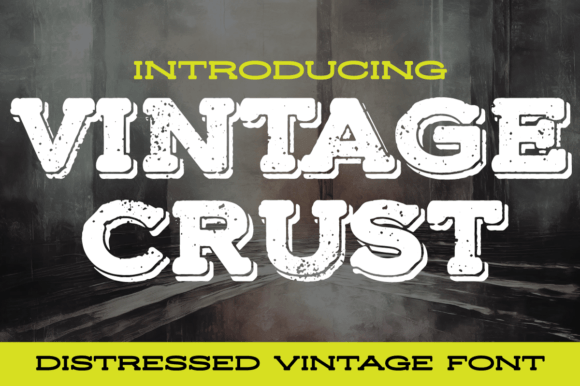
- Print Designers: In print projects like brochures, business cards, or packaging, Cottage Vintage adds depth and character. Combine it with distressed textures or sepia-toned backgrounds to enhance its vintage feel.
Considerations for Effective Use
While Cottage Vintage is incredibly versatile, it’s important to use it thoughtfully. Here are a few tips to keep in mind:
- Pairing with Other Fonts: Because of its bold personality, Cottage Vintage pairs best with more delicate or decorative fonts. Avoid using other heavy slab serifs alongside it unless you’re going for a specific layered effect.
- Kerning and Spacing: Like many vintage fonts, Cottage Vintage may require manual adjustments to spacing in certain layouts. Pay close attention to how characters interact, especially in tight compositions like logos or headers.
- Color and Background: The font looks best on neutral or earthy tones. Darker versions work well against light backgrounds, while lighter weights can shine on darker or textured surfaces.
Why Choose Cottage Vintage Over Similar Fonts?
There are countless vintage-style fonts available, but Cottage Vintage distinguishes itself through its balance of form and function. Many similar fonts either sacrifice readability for ornate details or come off as too generic. Cottage Vintage avoids these pitfalls by delivering a clean, structured look that still feels handcrafted and personal.
For users who want to avoid overused or cliché vintage fonts, Cottage Vintage provides a fresh alternative without losing the core elements that make slab serifs so beloved. Its subtle variations and consistent stroke widths allow it to adapt to various applications—from formal branding to casual, DIY-style projects.
Who Benefits Most from Using Cottage Vintage?
Cottage Vintage is particularly useful for:
- Small Business Owners: Those launching a new venture with a focus on local culture, handmade goods, or historical themes can benefit from Cottage Vintage’s ability to tell a story visually.
- Event Planners: Whether planning a vintage-themed wedding or a rustic barn party, Cottage Vintage can set the tone and unify all printed and digital materials.
- Independent Artists and Makers: This font complements hand-lettering and illustration styles that celebrate imperfection and analog aesthetics.
Implementing Cottage Vintage in Your Projects
If you’re ready to incorporate Cottage Vintage into your next design, here are a few steps to get started:
- Acquire the Font: Find a reputable source to download Cottage Vintage. Make sure you have the correct licensing for commercial or personal use.
- Test It Across Media: Try using Cottage Vintage in different formats—print, web, video—to see how it performs and adjust accordingly.
- Complement with Texture: To truly highlight the vintage vibe, experiment with overlays like aged paper, brush strokes, or weathered paint effects.
- Limit Usage for Impact: Reserve Cottage Vintage for key visual elements rather than using it throughout entire documents. This ensures it remains a focal point and retains its intended stylistic strength.
Final Thoughts
Cottage Vintage is more than just a font—it’s a design tool that connects people to a sense of history and craftsmanship. By choosing this font, you’re not only selecting a typographic style but also embracing a mindset that values authenticity and simplicity. Whether you’re designing for a client or yourself, Cottage Vintage offers a unique opportunity to blend nostalgia with modern design sensibilities.
As trends continue to shift toward warmer, more human-centered aesthetics, fonts like Cottage Vintage remain relevant and impactful. They remind us that good design isn’t always about being new—it’s about resonating deeply with the audience. So, if your next project calls for a touch of the past, let Cottage Vintage do the talking for you.