Vintage Crust: A Bold Font for Strategic Impact and Purposeful Design
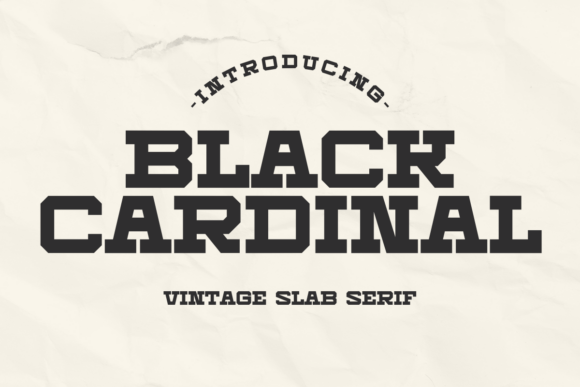
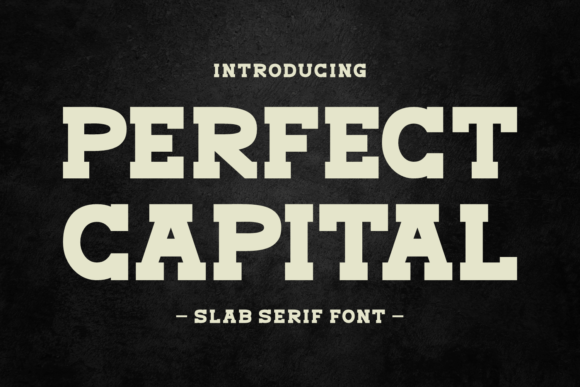
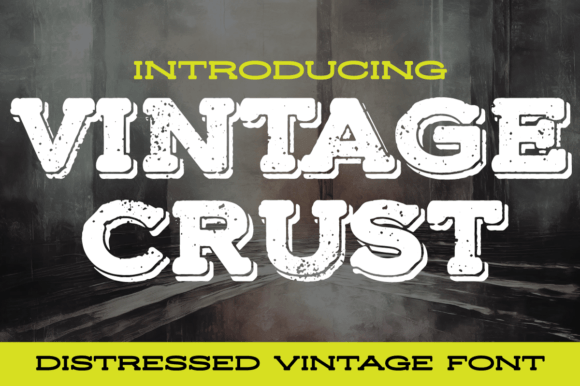
Vintage Crust is a bold, assertive slab serif font that exudes character and confidence. Its thick strokes, strong contrasts, and vintage-inspired design make it a standout choice in any visual project. While fonts may seem like a minor detail, they play a crucial role in how your message is perceived. Choosing the right typeface can enhance readability, reinforce brand identity, and create emotional resonance with your audience.
Strategic Use of Vintage Crust in Branding and Communication
In branding and communication, typography serves as more than just a vehicle for text—it acts as a silent ambassador of your values, tone, and personality. Vintage Crust, with its commanding presence, can be strategically employed to convey authority, nostalgia, or craftsmanship depending on the context.
For businesses in industries such as artisanal goods, vintage fashion, craft brewing, or heritage brands, this font can help establish an authentic aesthetic. The weight and texture of the letters evoke a sense of timelessness and reliability, which are key components of trust-building in marketing.
When to Use Vintage Crust Effectively
- Headlines and Titles: The font’s boldness makes it ideal for headlines where you want to capture attention immediately. It works particularly well in print media, packaging, or digital banners.
- Brand Logos and Taglines: If your brand aligns with themes of tradition, quality, or authenticity, Vintage Crust can anchor your visual identity with a strong typographic foundation.
- Product Packaging: For products with a retro or handmade appeal, using Vintage Crust can add a layer of sophistication and charm that differentiates them from competitors.
- Marketing Materials: Brochures, posters, and social media graphics benefit from the font’s visual impact when used sparingly and with intention.
Aligning Vintage Crust with Your Goals and Planning
Before integrating Vintage Crust into your design toolkit, consider what you aim to achieve. Is your goal to stand out in a crowded market? To evoke a sense of history or craftsmanship? Or to communicate strength and reliability?
If your answer leans toward any of these, then Vintage Crust is a strategic option. However, it must be planned carefully. Pairing it with the right supporting fonts is essential—think about using a clean sans-serif or minimalist serif for body text to maintain balance and legibility.
Additionally, ensure the font complements your color scheme and imagery. A mismatch could dilute your message or create unintended visual tension. Test Vintage Crust across various platforms (print, web, mobile) to see how it holds up under different conditions and screen sizes.
Practical Examples of Vintage Crust in Action
- Restaurant Menus: A bistro specializing in farm-to-table cuisine might use Vintage Crust for their logo and menu headings to suggest a return to traditional, high-quality food practices.
- Event Invitations: Vintage Crust can lend a touch of elegance and old-world charm to wedding invitations or anniversary announcements, especially when paired with ornate illustrations or watercolor accents.
- Book Covers and Publications: Authors of historical fiction or niche non-fiction often choose bold slab serifs to signal depth and gravitas. Vintage Crust can serve as a compelling title font in such cases.
- Business Cards and Stationery: Professionals in creative fields like photography, graphic design, or interior design might use Vintage Crust to reflect a unique, handcrafted approach to their work.
How to Approach Vintage Crust Thoughtfully
Thoughtful typography involves more than picking a visually appealing font—it requires understanding the psychological and functional implications of your choice. Vintage Crust, while powerful, is not universally appropriate. Its assertiveness can overwhelm if overused or applied without consideration of the user experience.
Here are some planning tips for intentional use:
- Limit Usage: Reserve Vintage Crust for headers, logos, or call-to-action buttons. Avoid using it for long paragraphs or small text sizes.
- Contrast with Simplicity: Balance the font’s boldness with simpler elements in your layout. This prevents visual fatigue and maintains a professional look.
- Test Readability: Even though it’s a display font, always test how it appears in different lighting and at varying distances—especially for outdoor signage or printed materials.
- Understand Cultural Context: The “crust” aspect of the font’s name suggests a rugged, textured edge. Consider whether this resonates with your target audience or clashes with their expectations.
Decision-Making Guidance for Typography Choices
Choosing a font like Vintage Crust should be part of a broader design strategy. Ask yourself:
- Does this font align with our brand voice?
- Will it enhance the clarity and purpose of our message?
- Can we maintain consistency across all platforms?
- Is it accessible to people with visual impairments or reading difficulties?
These questions help ensure that your use of Vintage Crust is both deliberate and effective. Remember, the best typography choices support the message rather than distract from it.
Risks of Using Vintage Crust Without Clear Goals
One of the most common mistakes in typography is using a bold font like Vintage Crust simply because it looks impressive. But without clear goals and context, even the most striking fonts can lead to poor outcomes.
Potential risks include:
- Overstimulation: In digital content, especially websites or apps, heavy use of Vintage Crust may slow down loading times or affect user engagement due to its complexity.
- Mismatched Tone: If your brand is modern, tech-driven, or minimalistic, Vintage Crust might feel out of place or unprofessional.
- Accessibility Concerns: Highly stylized fonts can sometimes hinder readability for individuals with dyslexia or other cognitive differences. Always provide alternatives or fallback options.
- Consistency Issues: Using Vintage Crust inconsistently across campaigns or platforms can confuse audiences and weaken brand recognition.
These pitfalls highlight the importance of using Vintage Crust with a clear plan in mind. It’s not just about aesthetics; it’s about creating a cohesive, purposeful experience for your audience.
Long-Term Value of Purposeful Typography
Typography is a foundational element of visual communication, and making thoughtful choices like adopting Vintage Crust can yield long-term value. When used correctly, it supports brand positioning and reinforces messaging across channels. Over time, consistent use helps build familiarity and trust, contributing to stronger customer relationships and better business outcomes.
Moreover, as trends evolve, having a versatile yet distinctive font like Vintage Crust in your library allows you to adapt creatively without compromising your core identity. Whether you're designing a new product line, launching a rebrand, or updating internal communications, Vintage Crust can offer a timeless yet bold solution.
Considerations Before Relying on Vintage Crust
Before fully committing to Vintage Crust, evaluate the following:
- Target Audience: Does the font resonate with their tastes and expectations?
- Project Scope: Will it be used in one-off designs or integrated into ongoing branding efforts?
- Platform Compatibility: How will it render across devices and mediums?
- Legal and Licensing Aspects: Confirm that you have the correct license for commercial use, especially if you're working on client projects or selling merchandise.
These considerations form the backbone of a successful typographic strategy. Skipping them in favor of quick decisions can undermine the effectiveness of your design and communication efforts.
Enhancing Creativity and Productivity with Vintage Crust
For creators and professionals who rely on visual storytelling, Vintage Crust can spark creativity. Its unique style encourages experimentation with layout, contrast, and hierarchy. It can be a catalyst for thinking differently about how messages are presented and received.
From a productivity standpoint, having a go-to font like Vintage Crust can streamline the design process. You won’t waste time sifting through countless options if you already understand its strengths and limitations. That said, don’t become too reliant on it. Explore complementary fonts to keep your design palette dynamic and adaptable.
Learning Through Typographic Application
Using Vintage Crust also offers learning opportunities. It teaches designers and marketers the importance of alignment between form and function. By observing how the font performs in real-world scenarios, you gain insights into user preferences, technical constraints, and cultural nuances—all of which inform future design decisions.
Encourage your team to experiment with Vintage Crust in controlled environments before full deployment. Gather feedback, iterate, and refine your approach based on performance data and audience response.
Beyond Aesthetics: Positioning and Outcomes
Fonts like Vintage Crust aren’t just about looking good—they’re about positioning your brand or message effectively. The right font can influence perception and decision-making subtly but powerfully. In this way, Vintage Crust can be part of a larger positioning strategy that aims to differentiate your offering in a competitive landscape.
Consider how Vintage Crust affects the overall user journey. From first impressions to final conversions, typography plays a role in guiding attention and shaping expectations. When aligned with your brand’s positioning, it can turn passive viewers into engaged users and customers.
Realistic Use Cases and Measurable Outcomes
Let’s explore a few realistic examples where Vintage Crust contributes to measurable outcomes:
- A boutique winery uses Vintage Crust on their label and website. The result is increased perceived value and a 15% rise in sales among consumers seeking premium, artisanal products.
- A publishing company adopts Vintage Crust for book covers in a curated collection of historical essays. Readers report feeling a deeper connection to the subject matter, and the books receive higher engagement on e-commerce platforms.
- An educational platform incorporates Vintage Crust into promotional materials for a course on classic literature. The font choice enhances the theme, leading to a 20% increase in sign-ups compared to previous campaigns.
These examples illustrate how thoughtful font application can influence behavior and outcomes. The key is not just selecting Vintage Crust, but knowing exactly why and how you’re using it.
Final Thoughts on Intentional Typography
Vintage Crust is more than a stylistic choice—it’s a strategic tool when used with awareness and intent. Its bold nature invites attention, but it demands responsibility from the designer or marketer to ensure it supports the message and meets the needs of the audience.
By aligning its use with your brand’s goals, testing its performance, and considering its long-term impact, you can unlock the full potential of Vintage Crust. It becomes not just a font, but a meaningful component of your visual and verbal strategy.
As with any resource, the true value of Vintage Crust lies in how intentionally you apply it. Let your choices reflect your vision, and your results will follow.