Marvelous Slab: A Modern Serif Font for Classy and Stylish Typography
Typography plays a pivotal role in design, influencing readability, aesthetics, and the overall message conveyed. Among the many fonts available today, Marvelous Slab has emerged as a versatile and elegant choice for designers seeking a modern serif font that balances tradition with contemporary flair. This article explores what Marvelous Slab is, how it stands out from similar typefaces, and when it might be the best option for your next project.
What Is Marvelous Slab?
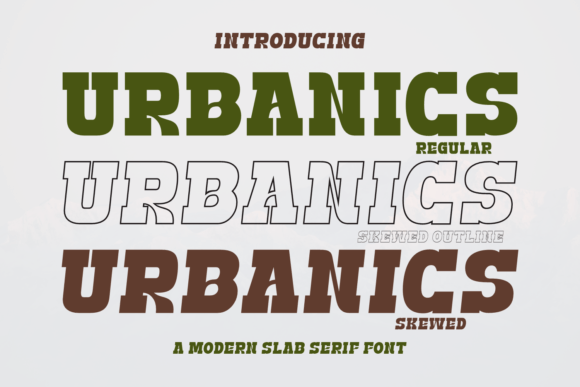
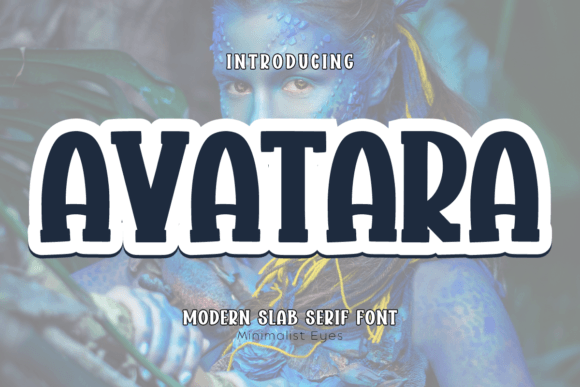
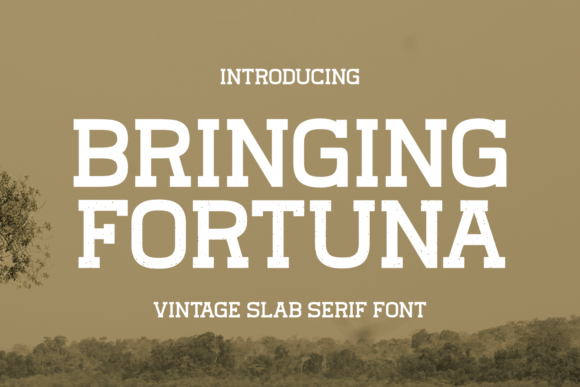
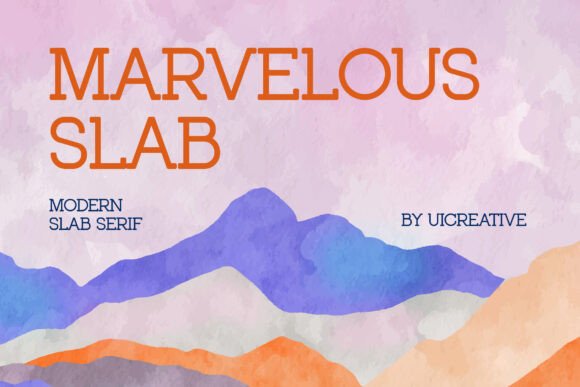
Marvelous Slab is a modern slab serif font that blends the structural clarity of traditional serifs with the refined simplicity of contemporary typography. Its name reflects both its visual appeal and its functional robustness. The font features strong, block-like serifs that give it a bold presence while maintaining a level of sophistication that appeals to a wide range of applications.
Designed with versatility in mind, Marvelous Slab offers a clean and balanced structure. It supports multiple weights and styles, allowing for nuanced typographic expression. Whether used in print or digital formats, this font adapts well to various contexts without compromising legibility or style.
Key Features of Marvelous Slab
- Modern Aesthetic: Unlike older slab serif fonts, which often have a more industrial or rigid feel, Marvelous Slab introduces subtle curves and harmonious proportions that give it a fresh, stylish appearance.
- Strong Visual Identity: The thick slabs on the ends of strokes provide a sense of authority and confidence, making it ideal for branding and editorial work.
- High Legibility: Despite its decorative elements, the font remains highly readable at different sizes and across various media platforms.
- Extensive Language Support: With glyphs covering numerous languages and special characters, Marvelous Slab is suitable for international use and multilingual projects.
Comparing Marvelous Slab to Similar Fonts
When evaluating a font like Marvelous Slab, it's helpful to compare it with other modern slab serif and display fonts. While each has its unique characteristics, understanding these differences can guide you toward the most appropriate choice for your needs.
Marvelous Slab vs. Classic Slab Serifs
Traditional slab serif fonts such as Rockwell or Clarendon are known for their heavy, uniform stroke widths and angular serifs. These fonts often convey a more formal or vintage tone. In contrast, Marvelous Slab uses variable stroke weights and slightly softened edges to create a more approachable and modern look. This makes it especially appealing for brands aiming to appear both classic and current.
Marvelous Slab vs. Modern Display Fonts
Modern display fonts typically prioritize uniqueness over consistency, often featuring irregular shapes, exaggerated forms, or intricate details. While they may suit specific creative projects, they can struggle with readability in body text or extended content. Marvelous Slab, however, strikes a balance between style and functionality. It retains enough personality to stand out but remains structured enough to serve as a primary font in many design scenarios.
Strengths and Best-Fit Applications
The strengths of Marvelous Slab lie in its adaptability and elegance. It’s particularly effective in settings where a touch of class meets modernity. Here are some of the best-fit situations for using this font:
Branding and Logo Design
Its bold yet sophisticated character makes Marvelous Slab an excellent choice for brand identities and logos. It conveys professionalism while also offering a stylish edge, which is crucial for fashion-related businesses or high-end products. For example, a luxury clothing line could benefit from the font’s ability to communicate both masculinity and femininity through its letterforms.
Editorial and Magazine Covers
In editorial design, the right font can set the tone for the entire publication. Marvelous Slab works well for magazine and book covers due to its strong visual hierarchy and aesthetic flexibility. It helps draw attention while maintaining a sense of credibility and refinement.
Website Headers and UI Elements
For digital use, the font performs admirably in headers, banners, and call-to-action buttons. Its clear structure ensures it remains legible on screens, and the variety of weights allows for creative layering in web design. When paired with sans-serif fonts for body text, it creates a polished and professional look.
Stationery and Wedding Invitations
Wedding invitations and stationery require a font that feels personal yet timeless. Marvelous Slab adds a touch of elegance and charm, making it ideal for names, titles, and key phrases. Its subtle variation in weight can also help differentiate sections without overwhelming the reader.
Signature and Handwritten-Like Styles
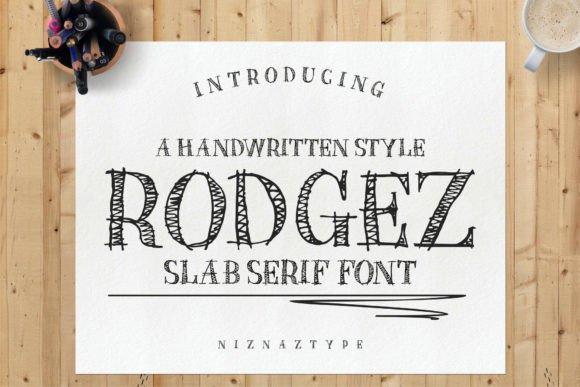
Though not a handwritten font by nature, certain variants of Marvelous Slab mimic the warmth and texture of cursive writing. This feature allows designers to incorporate a signature-like element into their projects without sacrificing typographic consistency.
Tradeoffs and Limitations
While Marvelous Slab excels in many areas, it’s not universally applicable. Understanding its limitations can help avoid misuse and ensure optimal results in your designs.
Not Ideal for Long Text Passages
Slab serif fonts, including Marvelous Slab, are generally better suited for headlines and short bursts of text rather than long paragraphs. Their heavier construction and distinctive serifs can slow down reading speed if used extensively in body copy. For such cases, pairing it with a complementary sans-serif or light-weight serif font is recommended.
May Require Careful Spacing
Like many display fonts, Marvelous Slab benefits from careful kerning and tracking adjustments, especially in smaller sizes or tight layouts. Automatic spacing tools may not always render it perfectly, so manual tweaking can enhance its appearance significantly.
Less Suitable for Casual or Playful Themes
If your project leans heavily into casual, playful, or minimalist aesthetics, the structured formality of Marvelous Slab might feel out of place. In those instances, opting for a rounded sans-serif or script font could be a better fit.
Decision Factors and Use Case Fit
Choosing the right font involves considering several factors beyond just visual appeal. Below are key decision points to evaluate whether Marvelous Slab aligns with your project’s needs.
- Tone and Brand Personality: Does your brand or project benefit from a font that exudes elegance and strength? If yes, Marvelous Slab could be an excellent match.
- Medium and Platform: Will the font be used primarily in print, on screen, or both? Marvelous Slab performs well in both environments but may need optimization for very small digital displays.
- Text Length: Are you using the font for headings, logos, or short texts? If so, it fits naturally. For longer passages, consider using it only for titles and accents.
- Design Context: How does the font integrate with other design elements? Its contrast and style can either complement or clash with existing visuals, depending on the layout.
- Language and Cultural Relevance: Since it supports a broad range of languages, check if the glyphs meet your linguistic requirements and cultural expectations.
Alternatives to Consider
While Marvelous Slab is a compelling choice, there are alternatives that may suit different design goals. These include:
- Other Modern Slab Serifs: Fonts like Cinzel or Lato Slab offer similar stylistic qualities but with variations in weight distribution and serif shape. They may be preferable if you're looking for something even more minimal or geometric.
- Decorative Script Fonts: For projects requiring a more personal or artistic touch—such as wedding vows or quotes—script fonts like Great Vibes or Allura can add a unique flair. However, they lack the versatility of Marvelous Slab for broader use.
- Geometric Sans-Serif Fonts: If you prefer a cleaner, more futuristic look, fonts like Montserrat or Bebas Neue might be more appropriate. These fonts are great for digital interfaces and modern branding but won’t deliver the same level of sophistication as Marvelous Slab.
When to Choose Marvelous Slab
Select Marvelous Slab when you want a font that combines the gravitas of traditional typography with the sleekness of modern design. It’s particularly useful in the following situations:
- Creating a logo for a boutique or artisanal product that needs to feel premium yet accessible.
- Designing a magazine cover that should attract attention while maintaining editorial integrity.
- Producing a wedding invitation suite that balances romance with refinement.
- Building a website header that needs to make a strong first impression without being too flashy.
When to Explore Other Options
There are also scenarios where Marvelous Slab might not be the best fit. These include:
- Projects requiring a highly informal or whimsical tone.
- Long-form content such as e-books, articles, or websites where readability is paramount.
- Applications needing extreme scalability, like large-scale signage or tiny mobile menus.
- Designs that rely on a very high contrast or unusual character shapes to stand out.
Real-World Examples and Practical Insights
To illustrate its practical use, consider a few real-world examples:
- A fashion blog uses Marvelous Slab for its title and section headers. The font enhances the site’s visual appeal while keeping the interface clean and easy to navigate.
- A stationery designer incorporates it into a set of business cards and letterheads for a client who wants to project both creativity and professionalism. The result is a cohesive and stylish identity.
- A magazine redesign opts for Marvelous Slab on the front cover to evoke a sense of timelessness and modernity, helping it stand apart from competitors in a crowded market.
These examples highlight how the font can elevate the perceived value of a project while still being grounded in usability. However, they also underscore the importance of context and purpose in font selection.
Final Thoughts on Typographic Choice
Fonts are more than just stylistic choices—they’re integral to communication and perception. Marvelous Slab brings a unique blend of beauty and functionality, making it a valuable asset in any designer’s toolkit. But as with all tools, its effectiveness depends on how well it suits the task at hand.
By understanding its strengths, tradeoffs, and best-fit applications, you can determine whether Marvelous Slab will serve your project well. Always consider the audience, medium, and message before finalizing your typographic decisions. And remember, no single font is a universal solution; the right one depends on thoughtful evaluation and alignment with your design objectives.