Urbanics: A Modern Slab Serif Font for Sleek and Stylish Typography
Typography plays a vital role in design, influencing readability, aesthetics, and the overall perception of content. Whether you're crafting a website, designing marketing materials, or preparing a presentation, choosing the right font can make all the difference. One font that has gained attention for its bold, clean lines and strong visual presence is Urbanics. As a modern slab serif typeface, Urbanics offers a unique balance between classic elegance and contemporary minimalism, making it an excellent choice for professionals, educators, creators, and businesses seeking to elevate their typographic impact.
Characteristics of the Urbanics Font
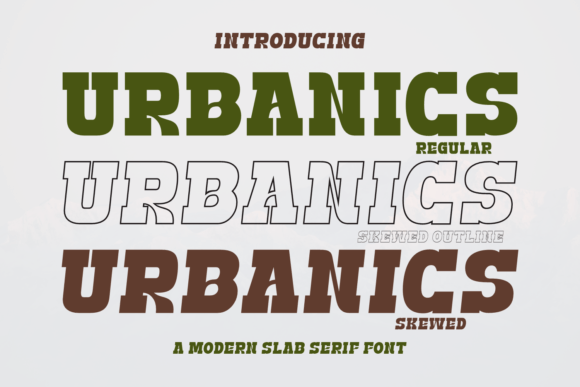
Slab serif fonts are known for their thick, block-like serifs and sturdy structure, giving them a sense of authority and reliability. Urbanics, however, takes this traditional form and infuses it with a modern twist. Its clean lines and subtle geometric influences provide a fresh and refined look while maintaining the legibility and weight associated with slab serif styles.
One of the most striking features of Urbanics is its consistent stroke width and sharp terminals. These characteristics contribute to a professional appearance, especially in headlines, titles, and signage. The font’s x-height is generous, which enhances readability at smaller sizes—a valuable trait for digital applications such as web copy and mobile interfaces.
Additionally, Urbanics includes a range of weights and styles, from light to bold, along with italic and condensed variants. This versatility allows designers to apply the font across various contexts without sacrificing visual harmony. The inclusion of ligatures, alternate characters, and extended language support further makes it suitable for international projects and multilingual content.
Why Slab Serifs Still Matter in Modern Design
In an era dominated by sans-serif fonts like Helvetica and Arial, slab serifs often stand out for their distinctive character. They convey a sense of strength and tradition, yet they remain adaptable enough to fit into modern layouts. Urbanics, in particular, bridges the gap between old-world typography and current design trends, offering a timeless feel with a sleek, updated edge.
Slab serif fonts are also highly effective in print and digital media where contrast and clarity are essential. Their bold nature ensures visibility even from a distance, which is why they are frequently used in posters, billboards, and branding elements. For business owners and marketers, this means Urbanics can serve as a powerful tool in creating memorable and impactful visual identities.
Advantages of Using Urbanics in Design Projects
Choosing the right font can significantly influence how your message is received. Here are several advantages that make Urbanics a compelling option for a wide range of applications:
- High Readability: With its generous spacing and clear letterforms, Urbanics remains easy to read even at small sizes, making it ideal for body text in magazines, blogs, and reports.
- Professional Aesthetic: The font's structured and polished look adds a touch of sophistication to any project, whether it's a corporate brochure or a personal portfolio.
- Versatile Application: From editorial design to user interface (UI) work, Urbanics adapts well to different mediums and screen resolutions.
- Strong Visual Hierarchy: When used in combination with other complementary fonts, Urbanics can help establish a clear visual hierarchy in complex layouts.
- Cross-Platform Consistency: Designed with responsive design in mind, Urbanics maintains its integrity across devices, ensuring a cohesive brand experience online and offline.
Use Cases for Urbanics
While Urbanics can be applied broadly, there are specific use cases where it shines:
- Web Design: Ideal for headings, subheadings, and call-to-action buttons, Urbanics adds a modern and authoritative tone to websites. It pairs well with minimalist backgrounds and vibrant color schemes.
- Print Media: In magazines, newspapers, and brochures, Urbanics provides a stylish alternative to more traditional serif fonts. Its boldness draws attention without overwhelming the reader.
- Branding and Logos: The font’s strong personality works well for logos and brand names that aim to communicate confidence and innovation.
- Presentations and Reports: Educators and researchers can benefit from using Urbanics in slides and academic documents for a clean yet commanding visual style.
- Social Media Graphics: Creators looking to stand out on platforms like Instagram or LinkedIn can leverage Urbanics to craft eye-catching captions and headlines.
Comparing Urbanics to Other Fonts
When evaluating Urbanics against similar typefaces, it becomes evident that it occupies a unique space within the design world. Unlike the ornate and decorative serifs of fonts like Garamond or Caslon, Urbanics opts for simplicity and strength. It shares some similarities with Rockwell or ITC American Typewriter but introduces a more refined geometry and smoother transitions between strokes.
Compared to popular sans-serif fonts like Roboto or Lato, Urbanics offers a richer texture and more visual depth. This makes it particularly effective in environments where a bit of character is needed without veering into the territory of novelty fonts. It strikes a balance that appeals to both design purists and digital marketers.
For those who prefer a bolder approach, Urbanics delivers more presence than fonts like Merriweather or Georgia, which lean toward a more traditional, bookish aesthetic. However, it avoids the heaviness of some retro slab serifs, making it suitable for long-form reading as well as display purposes.
Real-World Examples of Urbanics in Action
Several brands and publications have successfully integrated Urbanics into their design systems. For instance, a tech startup might use the bold variant for its logo and the regular weight for product descriptions, reinforcing a message of innovation and clarity. Similarly, a lifestyle magazine could pair Urbanics with a lighter sans-serif for articles, using the former for section headers and pull quotes to add visual interest.
On the web, Urbanics has been utilized effectively in UI components such as navigation bars and hero sections. Its clean, uncluttered design ensures that it doesn’t distract from imagery or icons, while still asserting a strong typographic presence. Many content creators have adopted it for YouTube thumbnails and blog headers, leveraging its boldness to capture attention quickly.
Considerations for Effective Use
While Urbanics is versatile, thoughtful implementation is key to maximizing its potential. Here are a few considerations to keep in mind when working with this font:
- Contrast with Backgrounds: Because of its bold nature, Urbanics performs best on high-contrast backgrounds. Light-colored versions may require careful handling to avoid losing legibility.
- Kerning and Spacing: Like many slab serif fonts, Urbanics benefits from fine-tuned kerning and tracking settings. Adjustments ensure that the text feels balanced and comfortable to read.
- Font Pairing: Pairing Urbanics with a contrasting sans-serif or a delicate script font can enhance visual appeal and guide the viewer’s attention through the layout.
- Accessibility: Ensure that when using Urbanics for body text, especially in digital formats, the font size and line height are optimized for accessibility standards.
- Licensing and Availability: Always verify the licensing terms if you plan to use Urbanics in commercial projects. Some versions may require purchase for full usage rights.
How to Implement Urbanics in Your Workflow
Adding Urbanics to your design workflow is straightforward, regardless of whether you're using it in print or digital projects. If you're working with Adobe Creative Suite, simply install the font and select it in your preferred application. For web developers, Urbanics can be embedded via CSS using @font-face or sourced from platforms like Google Fonts or Adobe Fonts.
When implementing Urbanics on the web, consider the following code snippet to load the font efficiently:
@import url('https://fonts.googleapis.com/css2?family=Urbanics:wght@400;700&display=swap');This example imports the regular and bold weights of Urbanics from Google Fonts, allowing you to apply it to HTML elements like so:
body {
}
By specifying fallback fonts, you ensure that the text remains readable even if Urbanics isn't available on the user's system. This is a best practice for maintaining a consistent user experience across devices and browsers.
Current Trends and Future Relevance
As design trends continue to evolve, the demand for fonts that combine functionality with visual flair is growing. Urbanics aligns perfectly with this shift, offering a modern take on a classic style. It fits well into the trend of "hybrid" typography—where fonts blend characteristics of serif and sans-serif designs to meet the needs of diverse audiences.
Moreover, with the increasing emphasis on brand consistency and user-centered design, having a font like Urbanics in your toolkit can help maintain a cohesive identity across platforms. Its adaptability makes it a favorite among UX/UI designers aiming to create accessible yet aesthetically pleasing interfaces.
Looking ahead, the continued rise of bold, expressive typography in both digital and print spaces suggests that Urbanics will remain relevant. As more designers seek to break away from overused typefaces, fonts like Urbanics offer a fresh perspective while retaining the professionalism necessary for business and academic environments.
Who Can Benefit Most from Urbanics?
Although Urbanics is a great all-around font, certain groups may find it especially beneficial:
- Business Owners: For building brand recognition and conveying trustworthiness in marketing collateral and websites.
- Graphic Designers: To add a modern yet grounded typographic element to client projects without relying on clichéd choices.
- Content Creators: To make social media posts, videos, and presentations visually engaging and easy to read.
- Educators and Researchers: For creating lecture notes, research papers, and educational materials with a professional and approachable feel.
- Developers and Web Builders: As part of a responsive font stack that looks great on all devices and screen sizes.
Conclusion
Urbanics is more than just another slab serif—it’s a thoughtfully designed typeface that meets the demands of today’s dynamic design landscape. Whether you're looking to enhance a website, refine a print publication, or build a stronger brand identity, Urbanics offers a reliable and stylish solution. Its blend of modernity and tradition ensures that it stands out while remaining functional, making it a top choice for professionals and creatives alike.
By understanding its characteristics, use cases, and implementation strategies, you can unlock the full potential of Urbanics and apply it effectively in your next project. As typography continues to shape the way we experience information, selecting a font like Urbanics can help you communicate with clarity, confidence, and style.