Olbars: The Bold, Rugged Font for Vintage and Western-Themed Designs
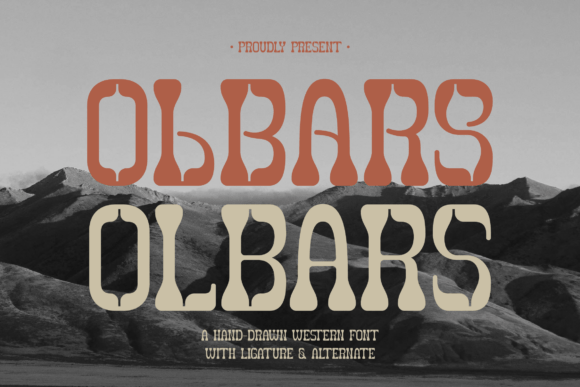
When you’re designing something that needs to make a strong visual statement—especially in the realms of branding, print media, or digital headlines—choosing the right font is crucial. Olbars is one of those fonts that immediately grabs attention with its thick, blocky letters and bold, Western-style slab serif design. It brings a rugged, vintage aesthetic to any project it's used on, making it a favorite among designers who want their work to feel timeless yet powerful.
What Makes Olbars Unique?
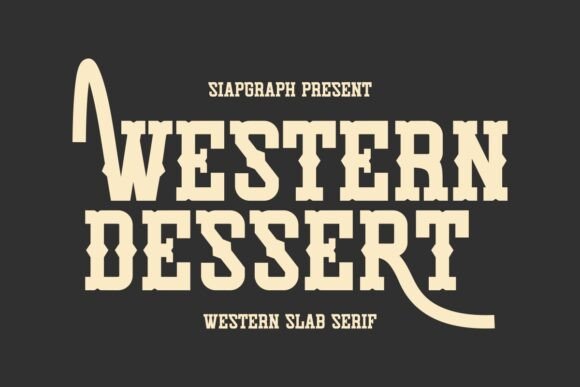
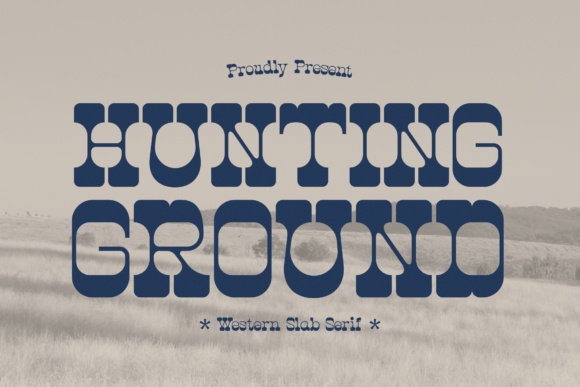
Olbars isn’t just another slab serif font. Its design is inspired by classic Western typography, evoking the look of old cowboy posters, barn signs, and typewritten manifestos from the frontier days. Each letter has a solid, almost three-dimensional presence due to its heavy weight and sharp edges. This gives it an unmistakable character that stands out against modern, minimalist typefaces.
The font’s slabs—those thick, flat sections at the ends of strokes—are what define its strength and stability. Combined with the wide spacing between characters, Olbars offers excellent legibility even when used at large sizes. Whether you're working on a movie poster, a logo for a craft brewery, or a headline for a magazine article about Americana, Olbars can bring a sense of authenticity and grit to your design.
Real-World Use Cases for Olbars
Let’s take a closer look at some of the practical situations where Olbars shines:
- Poster Design: Olbars works incredibly well for event posters, especially those promoting music festivals, rodeos, or Western-themed gatherings. Its boldness ensures that your message is seen from a distance, while the vintage feel ties into the theme seamlessly.
- Logo Creation: Businesses in industries like brewing, ranching, outdoor gear, or artisanal crafts often use Olbars in their logos to communicate strength, tradition, and reliability. Think of a whiskey brand using it in a tagline to evoke a sense of heritage and robust flavor.
- Headlines and Titles: In editorial design, such as magazines or blogs focused on history, adventure, or lifestyle content, Olbars can serve as a compelling title font. It adds gravitas without overwhelming the reader.
- Print Media: From book covers to packaging labels, Olbars can help create a tactile, hands-on feel. For example, a cookbook about traditional American recipes might use this font on the front cover to highlight its roots and authenticity.
- Web Typography: While more suited for print, Olbars can still be effective online when used sparingly. It works best for headlines or call-to-action buttons where impact is key. Just be sure to pair it with a clean, readable body font to maintain balance.
Who Benefits Most from Using Olbars?
Designers and businesses across multiple industries find value in Olbars, but it particularly resonates with those aiming to evoke a sense of nostalgia or rugged individualism. Here are a few examples of how different users may benefit:
- Creative Agencies: If you're a designer creating assets for clients in the entertainment, hospitality, or lifestyle sectors, Olbars could become a go-to font for projects needing a bold, vintage edge.
- Entrepreneurs: Small business owners looking to build a brand identity rooted in tradition or Americana will appreciate how Olbars instantly conveys a sense of place and purpose.
- Event Planners: Whether it's a themed wedding or a country fair, using Olbars in invitations, signage, or promotional materials can set the tone and enhance the overall experience.
- Independent Publishers: Authors and publishers of niche books or zines can leverage the font to reinforce the subject matter—think of a collection of short stories set during the Gold Rush era.
Industries That Love Olbars
Several industries have embraced Olbars as part of their visual storytelling toolkit:
- Food & Beverage: Craft breweries, steak houses, and distilleries often use Olbars in their branding to suggest quality, craftsmanship, and a bit of old-world charm.
- Retail & E-commerce: Stores selling leather goods, denim, or outdoor equipment can incorporate the font in product titles or banners to appeal to customers seeking durable, authentic items.
- Entertainment: Music venues, film festival posters, and even indie games with a Western setting benefit from the dramatic presence of Olbars.
- Travel & Tourism: Promotional materials for destinations like national parks, ghost towns, or historical sites often feature Olbars to emphasize adventure and a connection to the past.
Strengths of Olbars
The main strengths of Olbars lie in its versatility and emotional resonance. Here’s why it’s so popular:
- High Contrast and Visibility: The thick, blocky letters ensure readability at various sizes, which is essential for both print and digital applications.
- Vintage Aesthetic: With its Western flair, Olbars helps designers quickly establish a nostalgic or rugged vibe without overthinking it.
- Timeless Appeal: Unlike trendy fonts that fade after a season, Olbars draws inspiration from enduring typographic styles, making it suitable for long-term brand use.
- Emotional Impact: The font naturally communicates strength, independence, and resilience—qualities many brands and creatives want to convey.
Potential Limitations to Consider
While Olbars is visually striking, it’s not always the best choice for every scenario. Here are a few limitations to keep in mind before applying it:
- Not Ideal for Long Text: Due to its bold and spaced-out nature, Olbars is better suited for headlines and short phrases rather than lengthy paragraphs. Using it for body text can lead to eye strain or reduce readability.
- May Clash with Modern Styles: If your design leans heavily into contemporary aesthetics, pairing Olbars with sleek, modern elements might create an unintended contrast. Use it intentionally to avoid confusion.
- Limited Character Set in Some Versions: Depending on the source or license you obtain, some versions of Olbars may not include full Unicode support or special symbols, which could restrict its use in certain contexts.
How to Choose When to Use Olbars
If you’re considering whether Olbars fits your project, here are a few questions to ask yourself:
- Do I want my design to feel bold and assertive?
- Is there a Western or rustic theme involved?
- Will the font be used primarily in headlines or logos rather than body copy?
- Does it align with the brand personality or message I’m trying to communicate?
Answering yes to these questions suggests that Olbars could be a great fit. However, if your goal is minimalism or subtlety, it might not be the right choice.
Pairing Olbars with Other Fonts
To maximize the effectiveness of Olbars, consider how it pairs with other typefaces. A common strategy is to use it alongside a softer, more readable sans-serif or serif font for the supporting text. For example:
- Pair with Montserrat for a balanced contrast in a website header.
- Use Georgia or Merriweather for body text when working with Olbars in a logo or title.
- Combine with Bebas Neue for a dual-bold effect in a promotional banner.
This kind of thoughtful pairing keeps your design from feeling too heavy or monotonous, allowing each element to serve its purpose clearly.
Where to Find and Use Olbars
Using Olbars is straightforward once you’ve decided it’s right for your project. You can find the font on several platforms, including Google Fonts, Adobe Fonts, or via direct download from independent foundries. Always check licensing agreements to ensure it’s appropriate for commercial use.
Once installed, apply it strategically. For instance, if you're designing a coffee shop menu, you might use Olbars for the section headers like “Breakfast” or “Brews,” while keeping the item descriptions in a lighter, more approachable font. This maintains clarity while adding visual interest.
Practical Tips for Working with Olbars
Here are a few tips to get the most out of Olbars in your designs:
- Limit Usage: Because of its bold nature, use Olbars only in areas where it can shine—headlines, logos, and key messaging.
- Play with Color and Texture: To enhance the vintage feel, try using muted colors or adding a subtle grunge texture behind the text.
- Test at Different Sizes: Ensure the font remains clear and impactful when scaled down for smaller details or up for large displays.
- Consider Cultural Context: While Olbars is rooted in Western style, it should be used respectfully and appropriately. Avoid cultural appropriation or misleading associations.
Final Thoughts on Designing with Olbars
Olbars is more than just a font—it’s a tool for storytelling. Whether you're designing for a brand that values heritage, creating a piece of art with a rugged feel, or simply experimenting with vintage-inspired typography, Olbars can add a layer of character that’s hard to replicate with other fonts.
Its unique blend of boldness and simplicity makes it adaptable to many scenarios, but it also demands respect for its visual weight and thematic implications. By understanding when and how to use it effectively, you can harness its power to elevate your creative work and connect more deeply with your audience.