Victorian Font: A Bold Statement in Modern Typography
In the ever-evolving world of design, typography plays a pivotal role in shaping visual communication. Among the many fonts that have captured the attention of professionals and creatives alike, Victorian stands out as a bold and assertive slab serif typeface that brings both character and clarity to any project. Named after the architectural and typographic styles of the Victorian era, this font is more than just a nostalgic throwback—it’s a powerful tool for making an impact in today’s digital landscape.
The Characteristics That Define Victorian
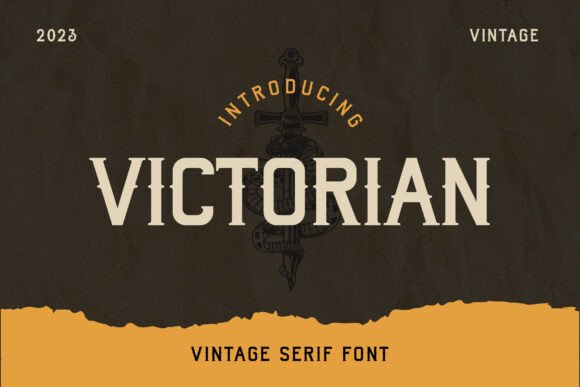
Victorian is distinguished by its strong, geometric shapes and thick, block-like serifs. These features give it a commanding presence on the page or screen, making it ideal for headlines, branding materials, and other applications where visibility and authority are key. Unlike delicate script or minimalist sans-serif fonts, Victorian commands attention with its robust structure and timeless elegance.
Slab serif fonts like Victorian are known for their high legibility, especially at larger sizes. This makes them particularly useful in print media such as posters, packaging, and signage. However, in recent years, their appeal has extended well into digital environments, thanks to improved web font rendering and a growing appreciation for distinctive typographic choices.
Design Versatility
One of the most compelling aspects of Victorian is its adaptability. It can be used to evoke the grandeur of 19th-century aesthetics or serve as a modern statement in contemporary design. Its versatility allows it to fit seamlessly into a variety of contexts—from luxury branding to tech startups seeking to make a bold impression.
- Its weight and contrast lend themselves well to editorial layouts.
- It works effectively in logo design, especially for businesses with a heritage or artisanal feel.
- Used in UI/UX projects, it can highlight call-to-action buttons or headers with confidence.
Why Victorian Is Gaining Attention in the Design Industry
The resurgence of interest in vintage and historical design elements has fueled the popularity of fonts like Victorian. In marketing and branding, authenticity is becoming increasingly important. Consumers are drawn to brands that tell a story, and Victorian helps designers craft that narrative through its evocative form.
Moreover, the font reflects a broader trend in the creative industry toward intentional and expressive design. As users become desensitized to generic sans-serif typefaces commonly found in digital spaces, they’re craving something more unique—something that speaks to identity and purpose. Victorian offers exactly that.
Connecting to Consumer Trends
Today’s consumers value experiences that feel crafted, not mass-produced. Whether it’s in fashion, food, or technology, there’s a shift toward individuality and craftsmanship. Victorian aligns with this sentiment by providing a tactile, handcrafted appearance even in digital formats.
Marketers and entrepreneurs are leveraging this trend to differentiate their products and services. For instance, a boutique coffee shop might use Victorian in its logo and menu design to create a sense of old-world charm and quality. Similarly, a law firm could adopt the font for its website to convey professionalism and tradition.
Adapting to Changing Workflows and Expectations
As remote work and digital-first strategies continue to dominate professional workflows, the need for fonts that stand out across different platforms and devices has never been greater. Victorian meets this demand by offering consistent performance whether printed on paper or displayed on a mobile screen.
Designers also appreciate how Victorian integrates with modern tools. With support for variable fonts and responsive web design, it ensures that text remains readable and aesthetically pleasing regardless of the medium. This adaptability is crucial for freelancers and agencies working on cross-platform campaigns.
Another factor driving its adoption is the increasing emphasis on accessibility. The bold strokes and clear letterforms of Victorian contribute to better readability, which is essential for inclusive design practices. This is especially relevant for content creators who want to ensure their message reaches all audiences without compromise.
Practical Applications Across Industries
Let’s explore some real-world examples of how Victorian is being utilized:
- Marketing & Branding: Luxury brands are using Victorian to evoke a sense of heritage and sophistication. Think of a perfume label or a wine brand’s packaging—Victorian adds gravitas.
- Web Design: Startups and SaaS companies are incorporating it in hero sections and landing pages to create a memorable first impression.
- Publishing: Magazines and blogs focused on lifestyle, history, or architecture often choose Victorian for its ability to anchor content with a classic yet approachable feel.
- Print Media: From event invitations to book covers, Victorian brings a touch of elegance and distinction that elevates the overall design.
Beyond Aesthetics: The Strategic Value of Victorian
Choosing the right font isn’t just about looking good—it’s about communicating the right message. Victorian is a strategic choice for those aiming to convey strength, reliability, and a touch of nostalgia. It resonates with audiences who associate these qualities with trustworthiness and premium experiences.
In the business world, first impressions matter. A company’s website or promotional material is often the first point of contact between the brand and potential customers. Using Victorian in these instances can help establish a strong visual identity that lingers in the viewer’s mind.
Matching Brand Personas
Consider the following scenarios:
- A vintage car restoration business uses Victorian to emphasize craftsmanship and timelessness.
- An educational platform adopts it to reflect authority and credibility in learning materials.
- A fintech startup pairs it with sleek sans-serif fonts to balance innovation with trust.
In each case, the font enhances the brand’s message rather than overshadowing it. This kind of thoughtful typographic decision-making is what separates effective designs from forgettable ones.
How Victorian Fits Into Broader Creative Trends
Typography is one of the few design elements that can instantly alter the tone and perception of a piece. In recent years, we’ve seen a move away from purely decorative fonts toward ones that serve dual purposes—both functional and expressive. Victorian fits perfectly into this trend.
With the rise of hybrid design styles—where retro and modern elements coexist—Victorian provides the perfect bridge. It allows designers to infuse warmth and character into otherwise clean and minimal layouts. This blending of styles mirrors current consumer preferences, where personalization and uniqueness are highly valued.
Additionally, the font supports multilingual typesetting, making it suitable for global audiences. As businesses expand beyond borders, having a font that maintains its integrity across languages and scripts is a major advantage.
Technology and Typography
Thanks to advancements in font technology, Victorian is no longer limited to print. Web developers can now implement it with ease using optimized web font formats. Tools like Google Fonts and Adobe Typekit offer streamlined integration, allowing marketers and designers to apply it to websites and digital campaigns without technical hurdles.
Furthermore, the font’s compatibility with various operating systems and browsers ensures that it looks consistent across all user interfaces. This level of reliability is essential in maintaining brand integrity in a fragmented digital ecosystem.
Observations on Typographic Preferences
While trends in typography may shift, certain characteristics remain timeless. Victorian is proof of that. It’s not just about looking “old-fashioned”—it’s about conveying a specific mood and message that resonates with modern audiences.
Studies show that people respond differently to various fonts based on context and expectation. Slab serifs like Victorian are often associated with stability, tradition, and strength. These associations make it a valuable asset for brands in sectors such as finance, legal services, and luxury goods.
Interestingly, younger audiences—often thought to favor trendy, minimalist fonts—are showing a growing affinity for Victorian. This is likely due to the font’s ability to add personality and depth to digital experiences, which aligns with their desire for authenticity and storytelling in content consumption.
Workflow Integration and Productivity
For freelancers and small business owners, efficiency is key. Victorian streamlines the design process by eliminating the need to layer multiple fonts to achieve a cohesive look. Its bold nature means it can carry entire compositions, reducing the complexity of typographic choices.
Entrepreneurs launching new ventures can benefit from its instant recognizability. In the early stages of brand development, consistency is vital. Victorian helps maintain that consistency while ensuring the brand feels grounded and trustworthy.
Victorian as Part of a Larger Design Movement
The popularity of Victorian is part of a larger movement toward intentional design. In a world flooded with content, standing out requires more than just color and layout—it demands typography that communicates clearly and powerfully.
This movement is also tied to the growing importance of localism and heritage in branding. As consumers seek deeper connections with the brands they support, fonts like Victorian help tell the story of a brand’s roots and values.
Moreover, the font appeals to those interested in复古风格 (retro styles), steampunk aesthetics, and artful minimalism. These niche but influential communities often drive broader design trends, and Victorian is already making waves among them.
Looking Ahead: The Future of Victorian
As we move further into the digital age, the demand for fonts that balance style with functionality will only grow. Victorian is uniquely positioned to meet this demand. Its blend of historical inspiration and modern usability ensures it will remain a go-to choice for designers across disciplines.
With the continued evolution of web standards and design software, we can expect to see more innovative uses of Victorian. Perhaps in animated titles, interactive menus, or even voice-to-text interfaces where visual hierarchy is still essential.
Conclusion
In summary, Victorian is more than just another font in your library—it’s a design element that can transform how your audience perceives your message. Whether you’re a marketer crafting a brand identity, a freelancer designing a portfolio, or an entrepreneur launching a product, Victorian offers the right mix of boldness, clarity, and character.
Its relevance lies not only in its aesthetic appeal but also in its ability to adapt to changing needs and expectations. As industries evolve and audiences become more discerning, fonts like Victorian will continue to play a critical role in visual storytelling and brand differentiation.
So next time you’re choosing a font, consider Victorian. It might just be the missing piece that elevates your design from good to unforgettable.