Brown Cowboy: A Bold Choice for Branding and Design
Fonts play a crucial role in shaping the visual identity of any project. Whether you're designing a logo, crafting a website, or creating promotional materials, the right typeface can elevate your message and connect with your audience on a deeper level. One such font that has been gaining attention among designers and creatives is Brown Cowboy. As a decorative and authentic slab serif font, it brings a unique character to branding projects, offering a rustic charm that stands out in a sea of modern sans serifs.
What Makes Brown Cowboy Unique?
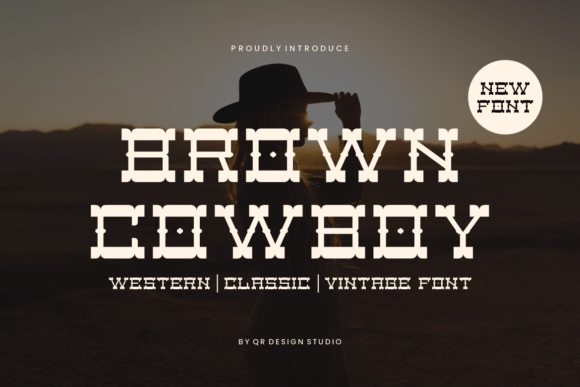
Brown Cowboy is more than just a pretty face—it’s a font with personality. Its slab serif design gives it a grounded, bold appearance while maintaining enough elegance to be versatile across various uses. The letterforms are thick and sturdy, reminiscent of vintage typography seen in old Western posters or classic newspaper headlines. This blend of strength and nostalgia makes it an excellent choice for brands looking to evoke tradition, authenticity, or a sense of adventure.
Designers often use slab serif fonts like Brown Cowboy when they want to make a strong typographic statement without overwhelming the reader. It works particularly well in logos, packaging, and event promotions where a distinctive look is essential. The font's readability at larger sizes ensures it doesn’t lose its impact even when used prominently in print or digital formats.
Common Mistakes When Choosing Brown Cowboy
Despite its appeal, many people choose Brown Cowboy without fully understanding how to integrate it into their designs effectively. Here are some common pitfalls to avoid:
- Using it in small body text: Brown Cowboy is not optimized for long paragraphs or tiny text. Its thick strokes and decorative elements can make reading difficult if used incorrectly, especially in low-resolution displays or print.
- Mixing it with similar fonts: Pairing Brown Cowboy with another slab serif or overly decorative typeface can create visual clutter. This reduces clarity and diminishes the font’s intended impact.
- Ignoring legibility in color or background: Because of its high contrast and texture, using Brown Cowboy over busy backgrounds or in colors that clash can lead to poor visibility and user frustration.
How These Errors Can Impact Your Project
When these mistakes occur, the results can be underwhelming. For example, using Brown Cowboy in small text might cause readers to squint or skip content altogether. In branding, this could lead to a loss of professionalism or miscommunication of your brand values. Similarly, poor font pairing can dilute your message, making your design feel unpolished or outdated.
In digital contexts, especially on websites or mobile interfaces, legibility issues can hurt user experience. If visitors struggle to read your content, they’re less likely to engage, which may affect your conversion rates or overall reach. In marketing materials, an unclear presentation can reduce the effectiveness of your message, leading to lower customer satisfaction or missed opportunities.
Practical Tips for Using Brown Cowboy Effectively
To ensure Brown Cowboy enhances your design rather than hinders it, follow these best practices:
- Use it as a headline or accent font: Let Brown Cowboy shine in titles, banners, or call-to-action buttons. Reserve it for short, impactful phrases rather than large blocks of text.
- Pair it with clean, neutral fonts: Combine Brown Cowboy with a simple sans serif or a thin serif font for body copy. This contrast keeps the layout balanced and easy to digest. Think of pairing it with something like Open Sans or Lora for a harmonious effect.
- Ensure sufficient contrast: Choose a background and color palette that complements the font’s weight and tone. Dark brown or deep red tones work beautifully against light backdrops, enhancing readability and aesthetic appeal.
- Test it across different mediums: Before finalizing your design, preview how Brown Cowboy looks on screens of varying sizes and in print. Adjust spacing, size, and alignment as needed to maintain consistency and clarity.
Real-World Examples of Good Usage
Imagine a boutique coffee shop with a rustic theme. Their logo features Brown Cowboy in a warm burnt orange, paired with a minimalist sans serif for the tagline. The result? A welcoming yet professional look that reflects their brand’s roots and quality.
Another scenario could be a local sports team launching a new merchandise line. By using Brown Cowboy in bold for the team name on t-shirts and a sleek Roboto for product descriptions, they achieve a dynamic yet readable design that appeals to fans and customers alike.
Things to Check Before Making a Decision
Before incorporating Brown Cowboy into your project, take a moment to consider the following factors:
- Project purpose: Is your goal to create a vintage vibe or emphasize boldness and tradition? Brown Cowboy aligns well with those themes but may not suit every style.
- Target audience: Will your audience appreciate the font’s aesthetic? While it’s popular in niche markets, a broader demographic may prefer more conventional styles.
- License and usage rights: Always verify the font’s licensing agreement before downloading or purchasing. Some versions of Brown Cowboy may only be suitable for personal use unless you buy a commercial license.
- Compatibility: Ensure the font works well across all platforms and devices. Test it in web browsers, mobile apps, and print media to confirm it maintains its integrity and legibility.
Alternatives to Consider
If Brown Cowboy isn’t quite the fit, there are other slab serif fonts that offer similar character without the same limitations. Fonts like Playfair Display, Merriweather, or Libre Baskerville provide a classic feel with better support for extended text. For a more rugged or western-inspired option, you might explore Western Brush Script or Ostrich Sans—both offer unique flair but require thoughtful application to maintain usability.
Where to Find and Use Brown Cowboy
You can typically find Brown Cowboy on major font marketplaces like Adobe Fonts, Google Fonts, or specialized sites such as Creative Market and Fontspring. Always read the fine print before purchasing or downloading, especially if you plan to use it for commercial purposes like logos or product packaging.
Once installed, apply it sparingly. Start by testing it in one key element of your design—such as the main heading—and observe how it interacts with surrounding elements. Make sure the rest of your layout supports it with proper hierarchy and whitespace.
Final Thoughts on Choosing the Right Font
Selecting the right font is about more than aesthetics—it’s about communication, clarity, and connection. Brown Cowboy is a powerful tool when used correctly, but it requires careful consideration to avoid undermining your message. By understanding its strengths and limitations, you can harness its potential to create memorable and effective designs.
Whether you’re a marketer launching a new campaign, a small business owner designing your first logo, or a blogger looking to add a touch of originality to your site, Brown Cowboy offers a compelling way to stand out. Just remember: more is not always better. Let the font speak where it matters most, and let subtler choices handle the rest.